Overview
The Hiwonder Tankbot is an AI tank robot car for embedded robotics development, combining an ESP32-S3 controller, tracked suspension chassis, 6DOF robotic arm, and multimodal interaction hardware. It supports text, voice, and vision workflows for projects involving sensor interaction, robotic gripping, line following, object analysis, and mobile robot control.
Key Features
- ESP32-S3 control platform: Xtensa 32-bit LX7 dual-core architecture with 600 DMIPS processing power.
- 6DOF robotic arm: Uses 20KG serial bus servos with feedback and inverse kinematics for coordinate-based gripping tasks.
- Tracked suspension chassis: Torsion-spring suspension, anti-slip nylon tracks, bearing-supported road wheels, anti-drop drive sprockets, and encoder motors with speed tracking.
- Sensor interaction: RGB ultrasonic sensor and 8-channel line follower sensor support distance measurement, obstacle avoidance, line following, and intersection recognition.
- Vision and audio hardware: 2MP HD camera with 1080P @ 60fps video, high-fidelity microphone, high-fidelity speaker, LCD capacitive touchscreen, and dot-matrix display.
- AI and vision functions: Supports multimodal AI workflows, smart chat, voice control, image analysis, target tracking, face recognition, and 3D depth vision applications.
- Multiple control methods: App control, PC code control, and PS2 wireless controller operation.
- Development resources: Supports C programming and includes open-source curriculum resources, code examples, and tutorials.
Specifications
| Controller | ESP32-S3 |
| Processor architecture | Xtensa 32-bit LX7 dual-core |
| Processing power | 600 DMIPS |
| Robotic arm | 6DOF |
| Arm servos | 20KG serial bus servos with feedback |
| Camera | 2MP HD, 1080P @ 60fps |
| Ultrasonic sensor | RGB ultrasonic sensor |
| Line follower sensor | 8-channel |
| Wireless connectivity | Bluetooth 5.0 |
| Display | LCD capacitive touchscreen and dot-matrix display |
| Audio | High-fidelity microphone and speaker |
| Communication interface | I2C |
| Battery | 7.4V 2200mAh 10C LiPo |
| Motor feedback | Hall encoder with AB-phase pulse output |
Applications
Suitable for hands-on embedded AI learning, C programming, sensor fusion, closed-loop motor control, robotic arm control, line-following projects, obstacle avoidance, target tracking, and object sorting demonstrations.
Support
For product assistance and technical support, contact RobotDoo.
Details
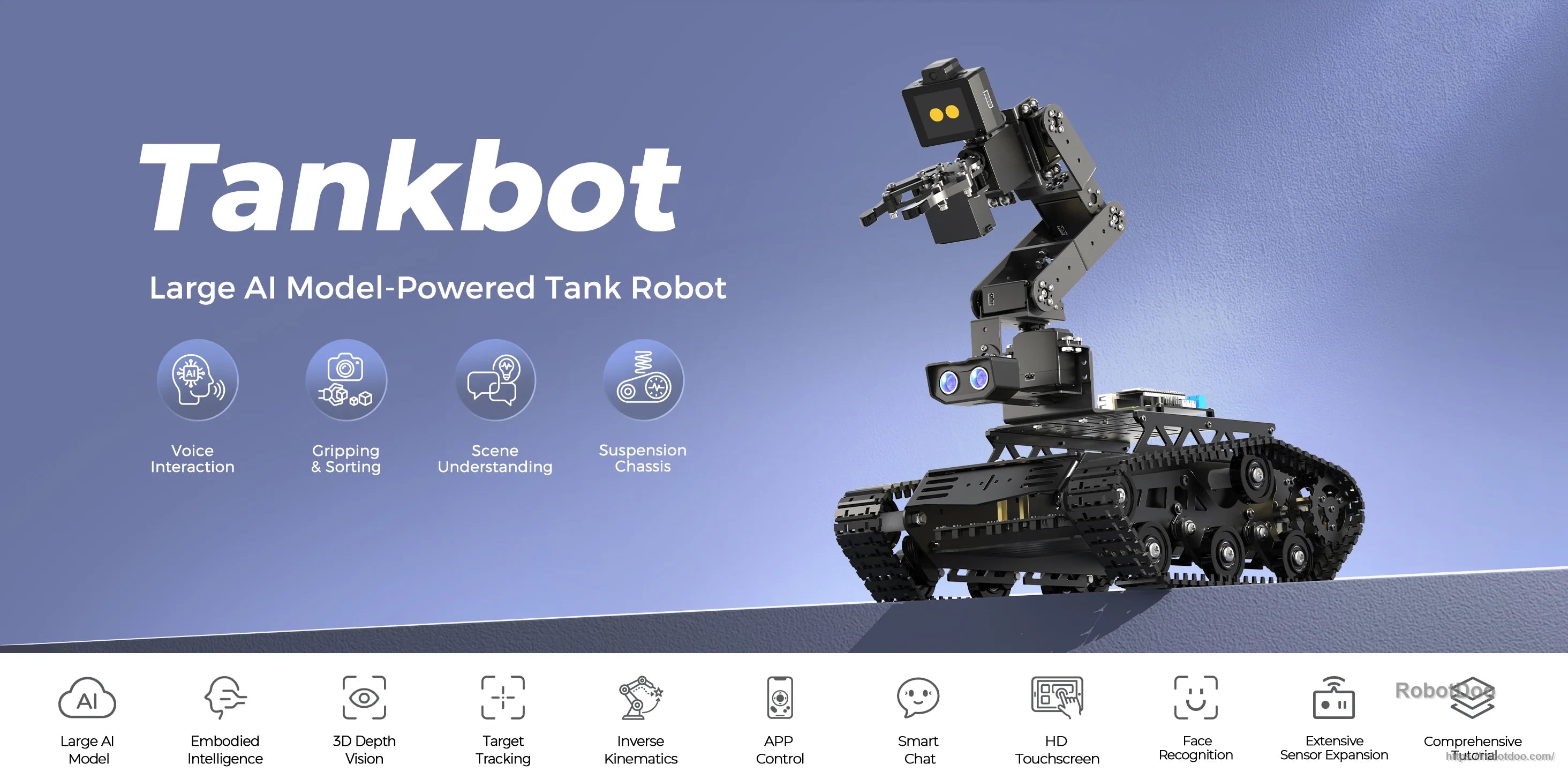
Tankbot combines mobile tracked robotics, a feedback-equipped 6DOF arm, and multimodal AI interaction hardware in one development platform.
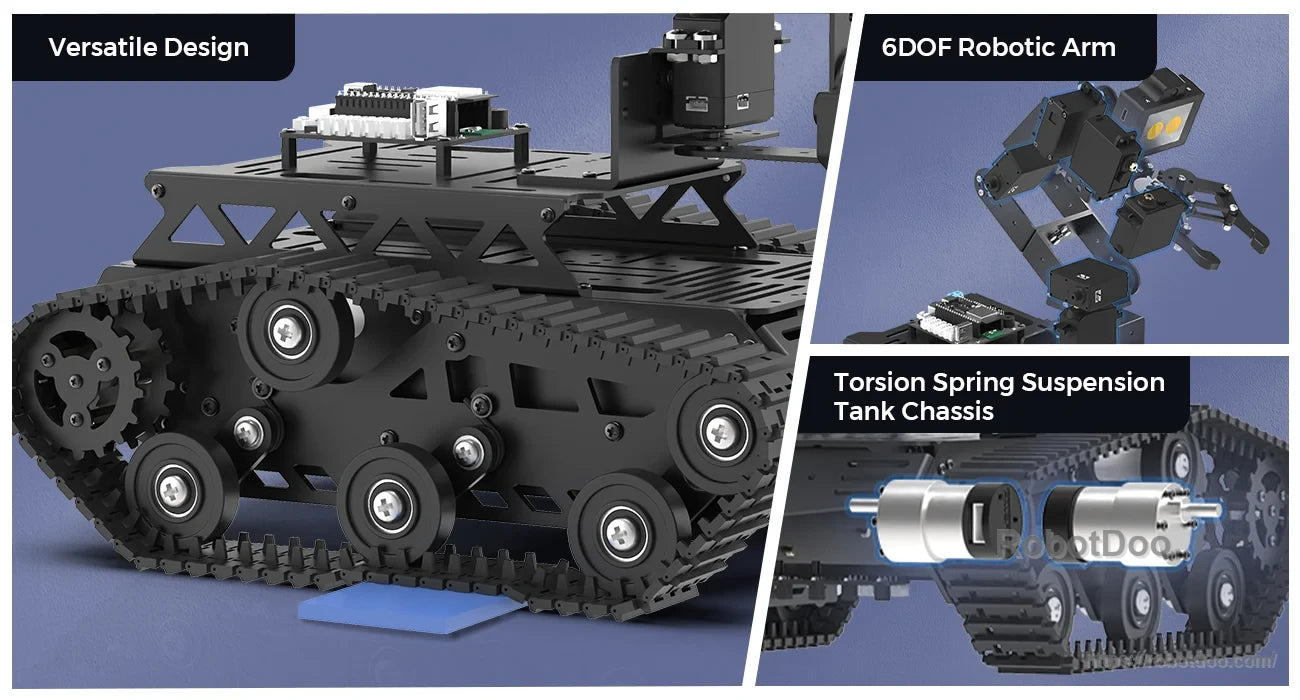
The modular design pairs a 6DOF robotic arm with a tracked chassis built for hands-on robotics projects.
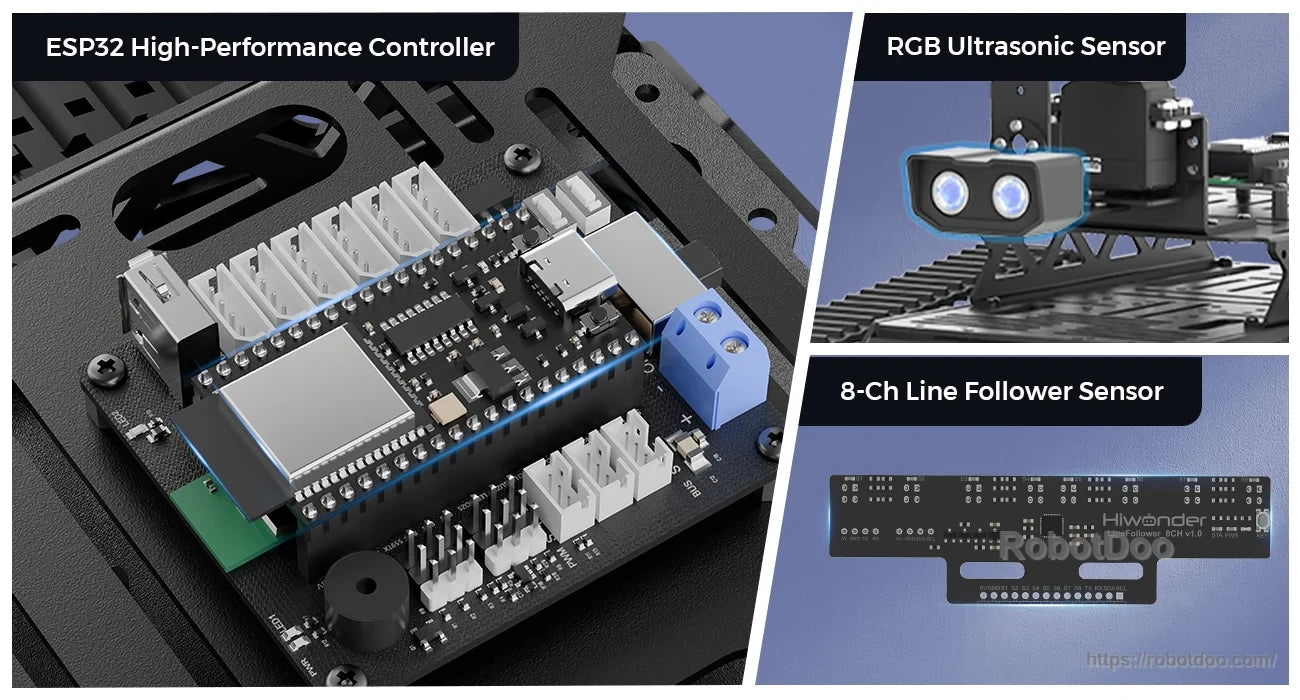
ESP32-S3 control, RGB ultrasonic ranging, and 8-channel line sensing support responsive navigation experiments.
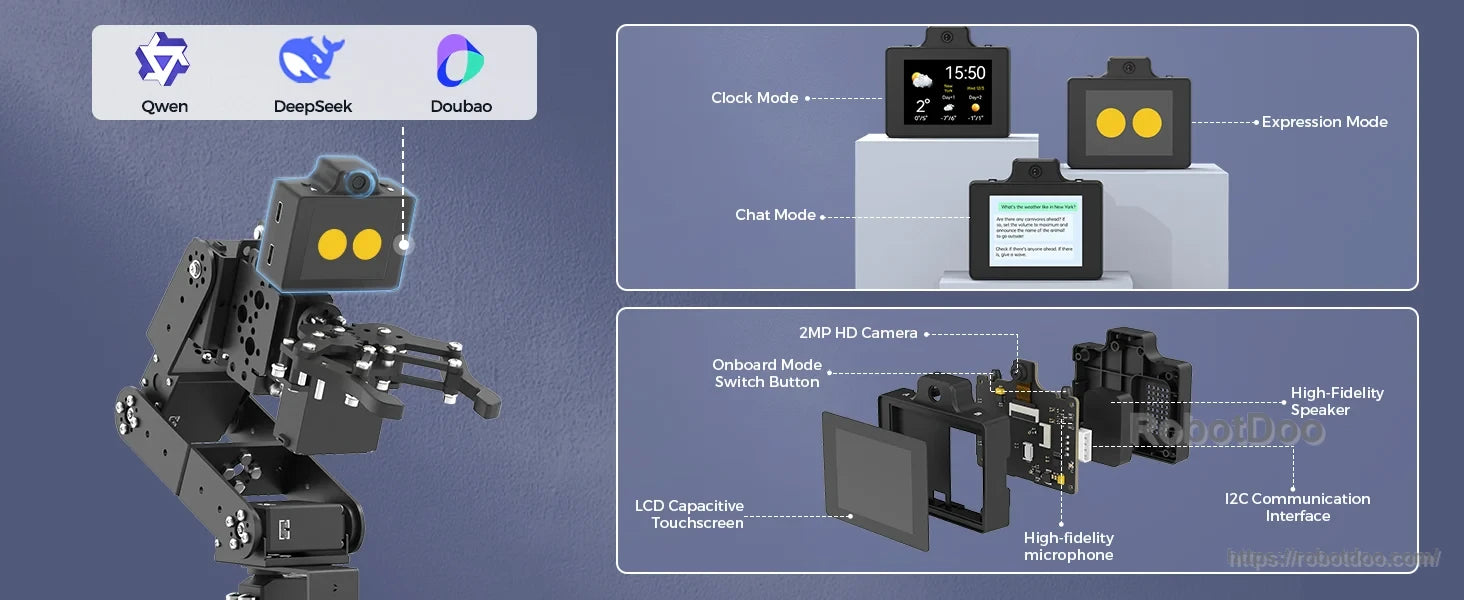
Camera, display, microphone, and speaker components support text, voice, and vision-based interaction workflows.
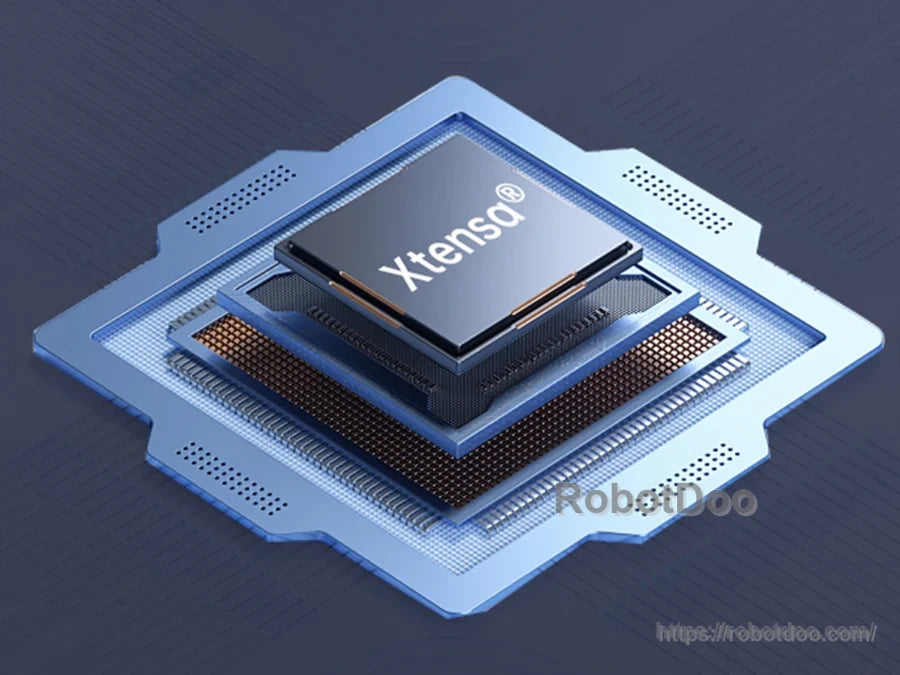
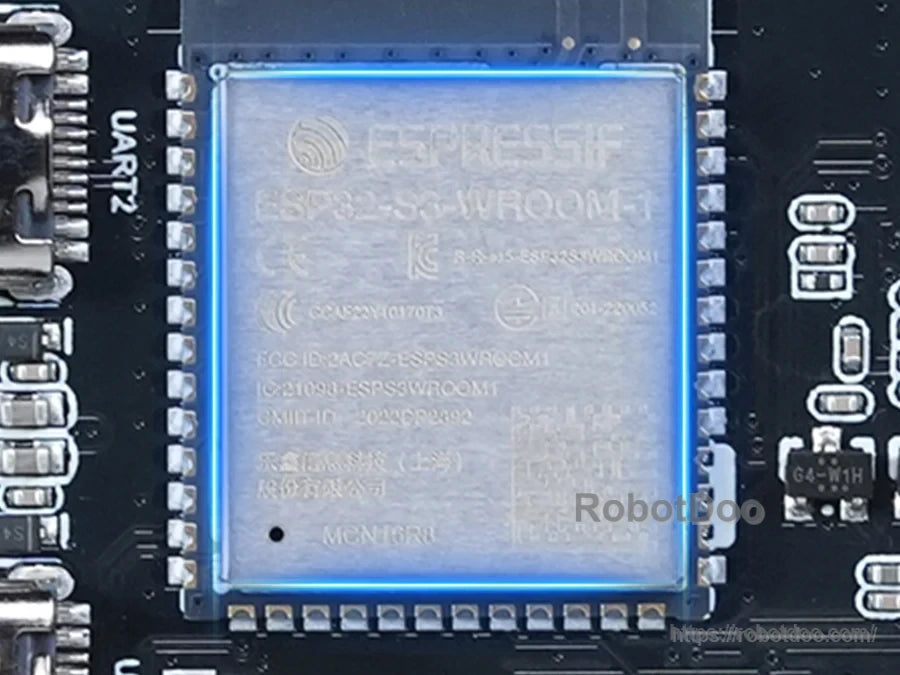
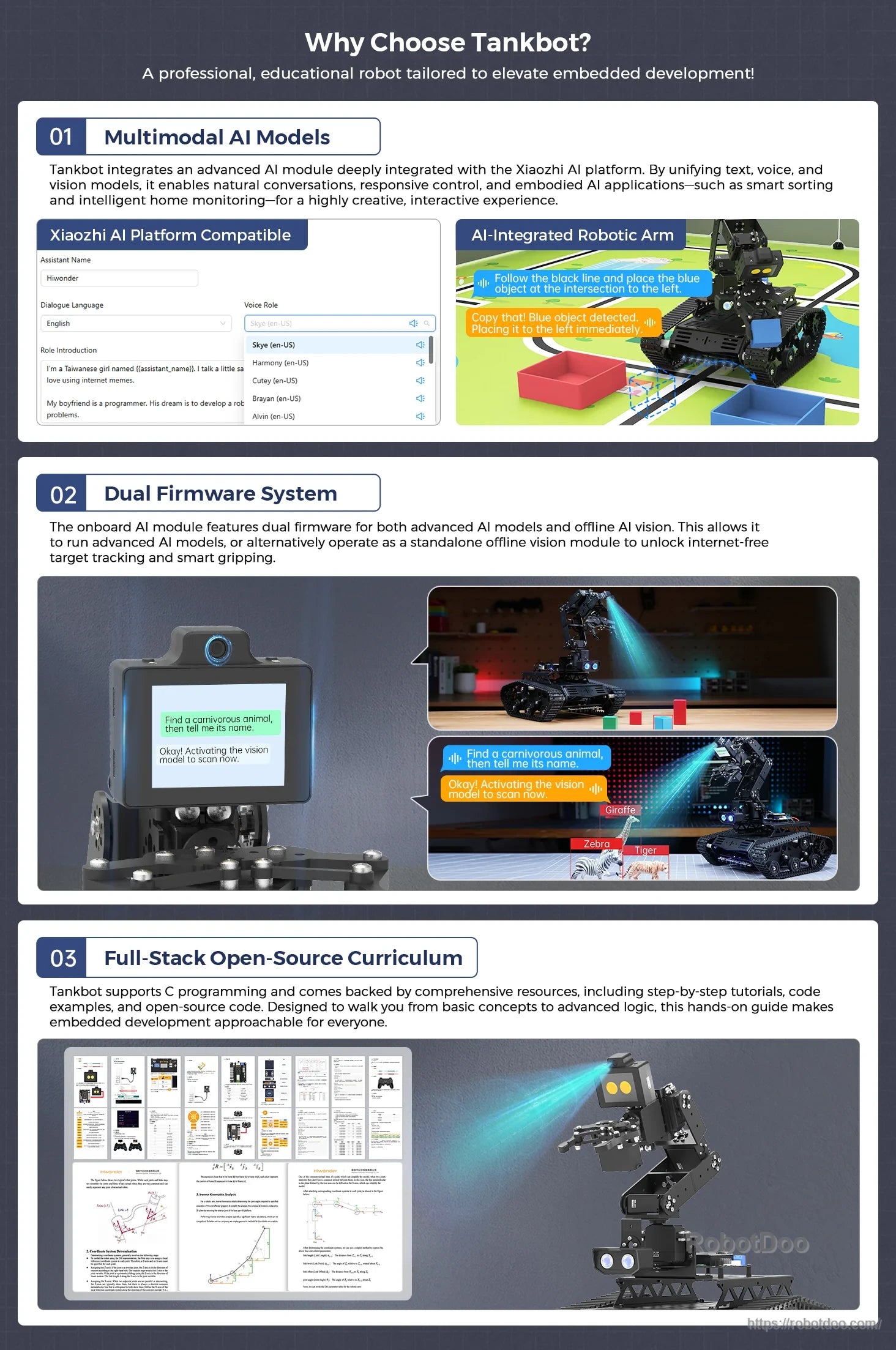
Development resources include code examples and curriculum materials for exploring multimodal AI and embedded robotics.
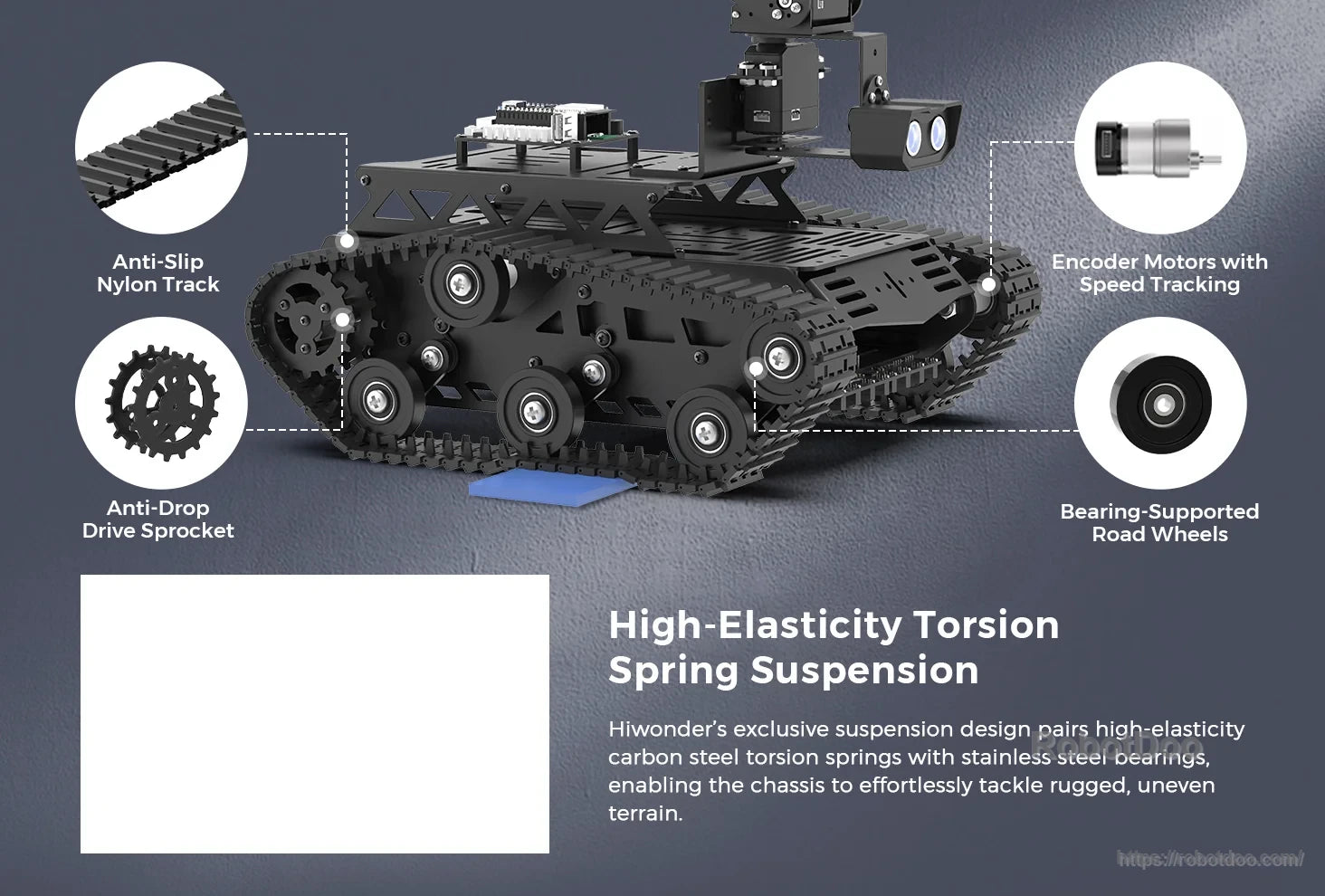
Anti-slip nylon tracks, encoder motors, and bearing-supported road wheels contribute to controlled mobile operation.
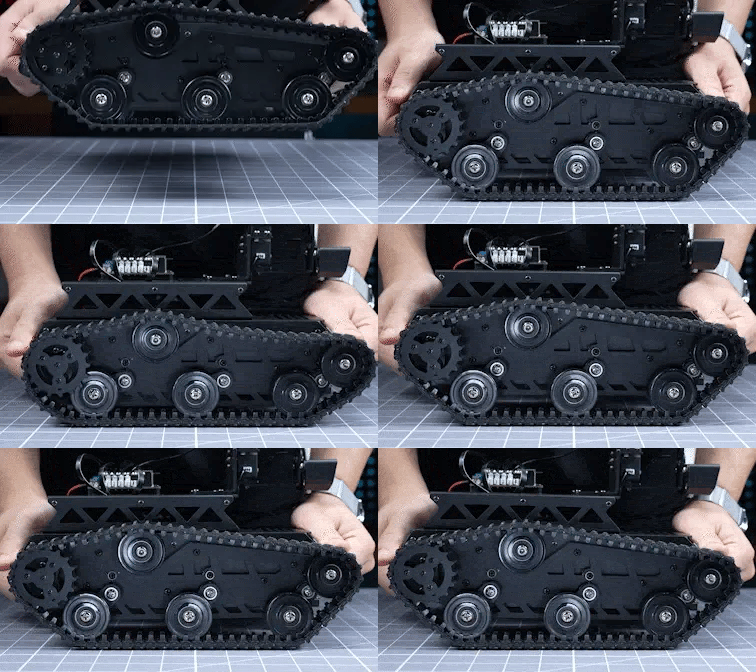
Torsion-spring suspension helps the tracked chassis maintain contact while moving across uneven surfaces.
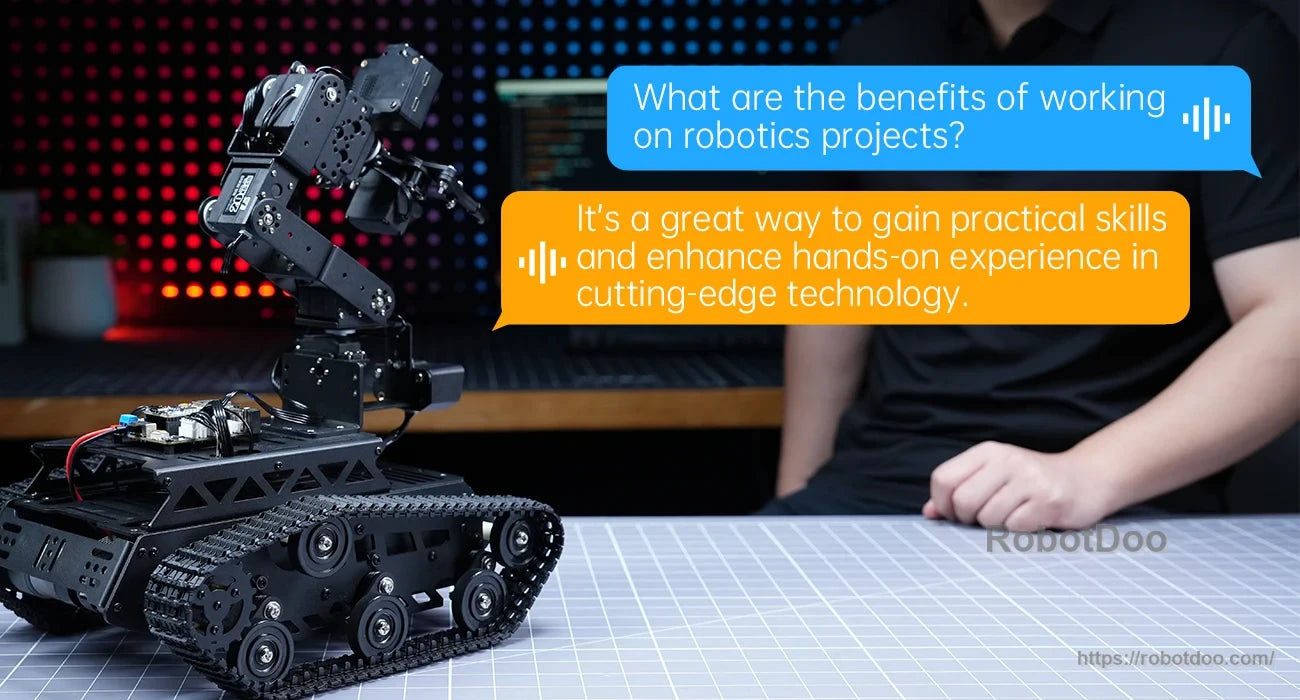
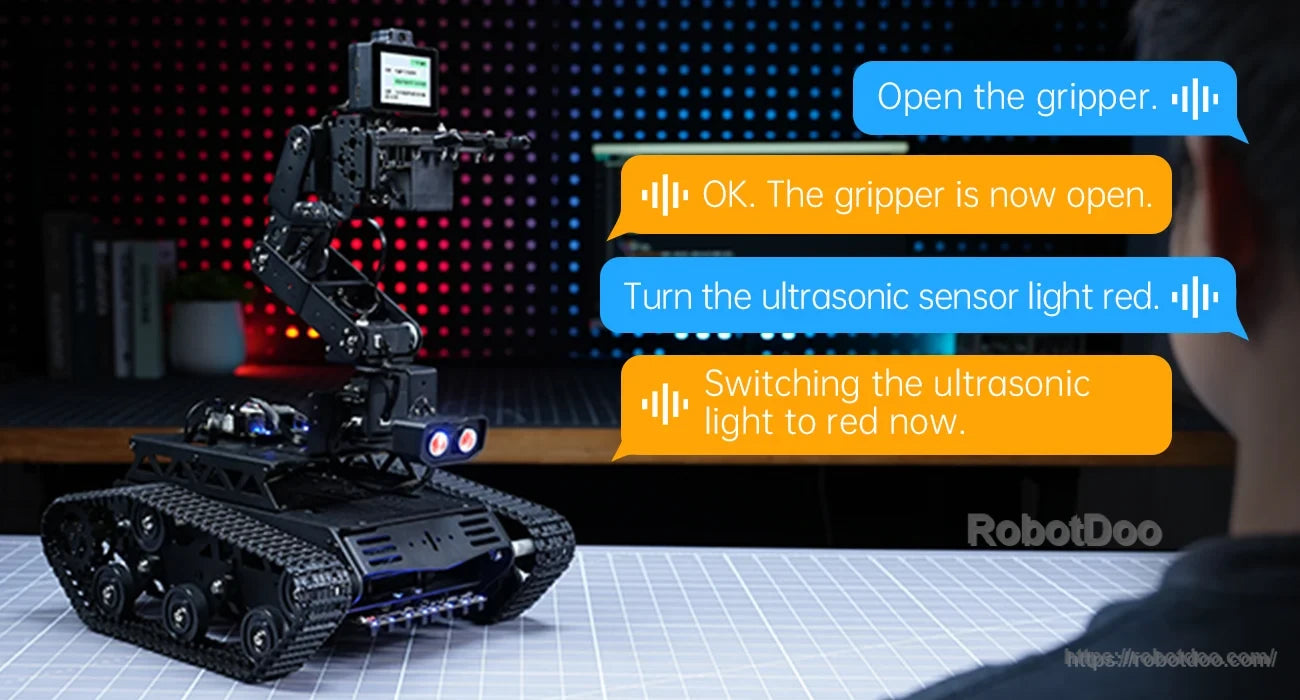
Voice commands can trigger actions such as opening the gripper and changing the ultrasonic sensor light.
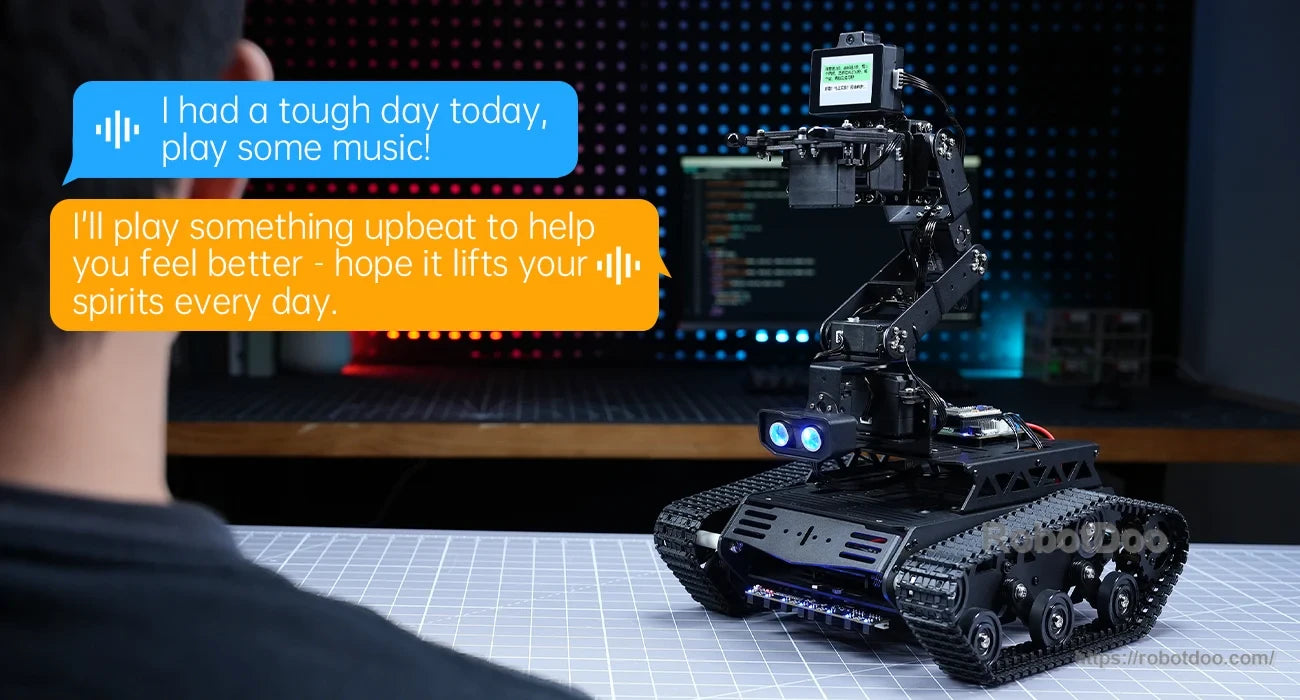
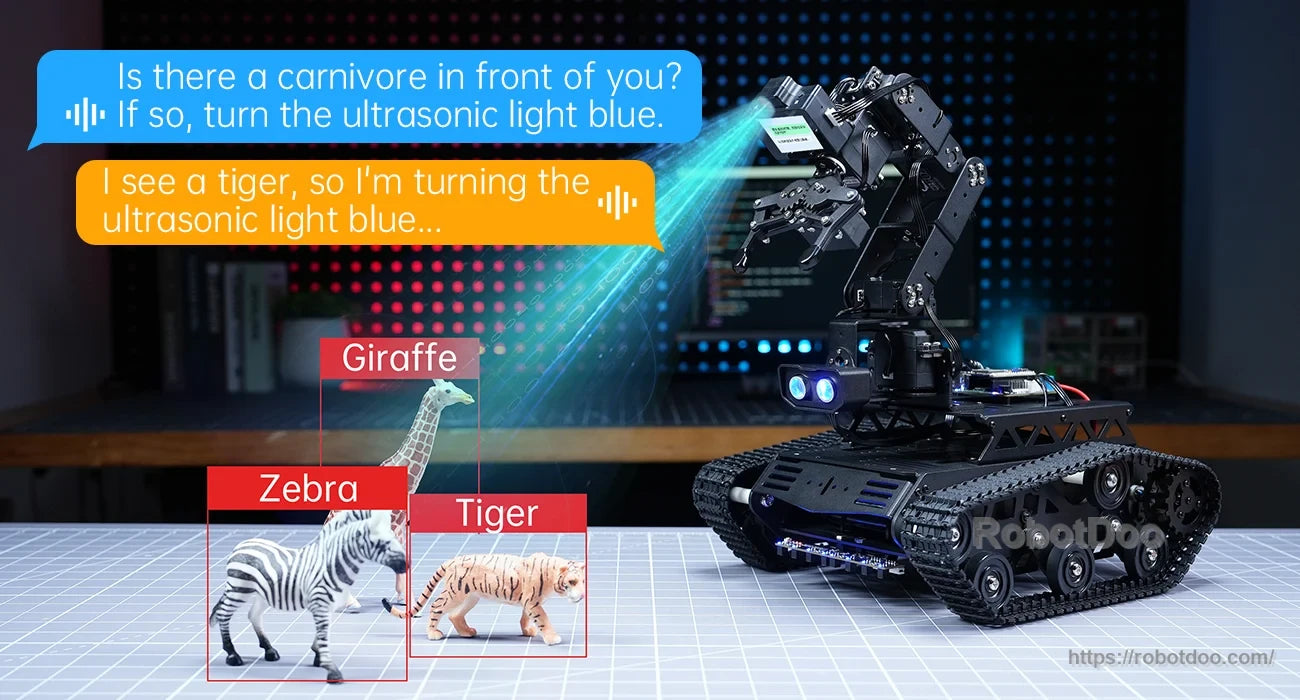
Vision projects can combine image recognition with programmed responses for detected targets.
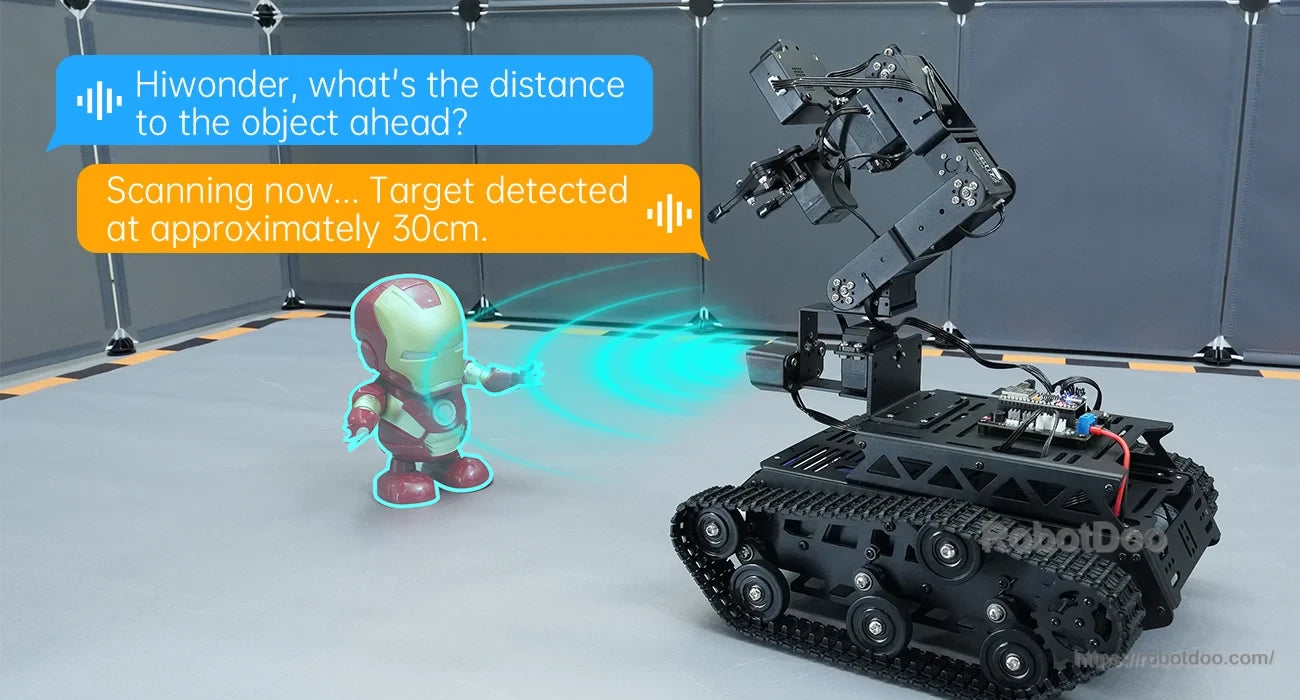
RGB ultrasonic sensing enables distance measurement and obstacle-detection projects.
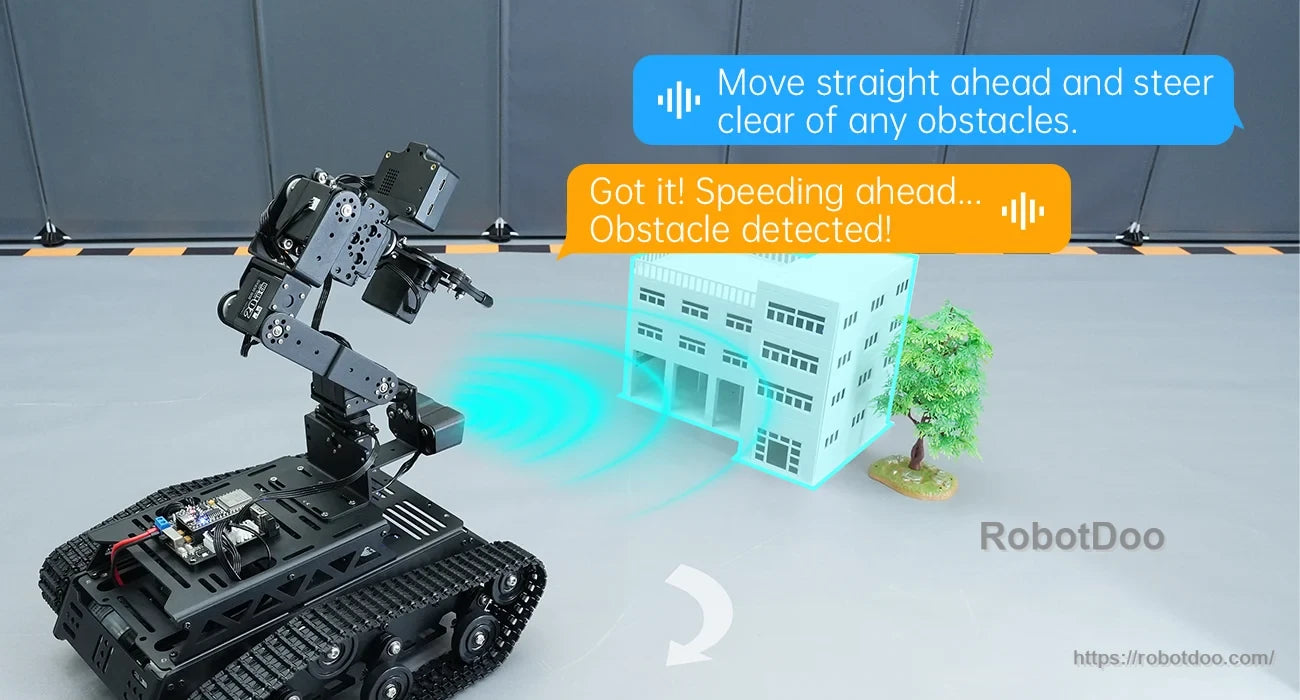
Obstacle-avoidance workflows connect sensor feedback with tracked robot movement.
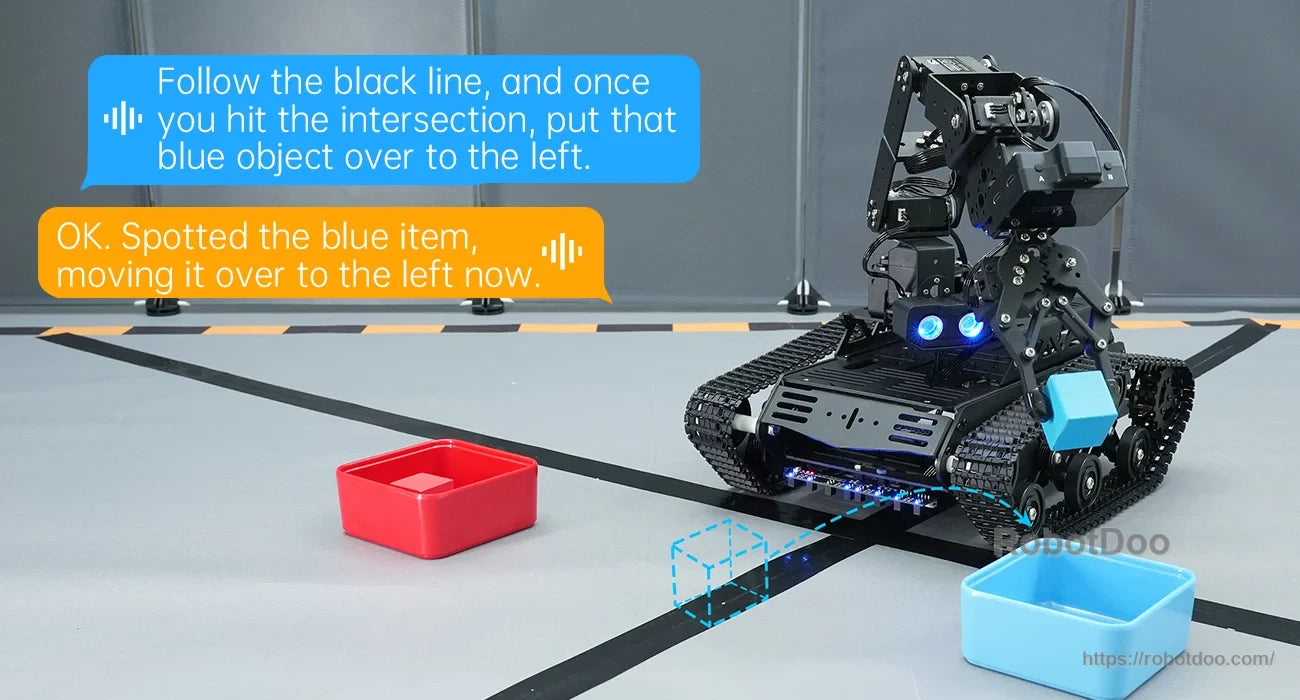
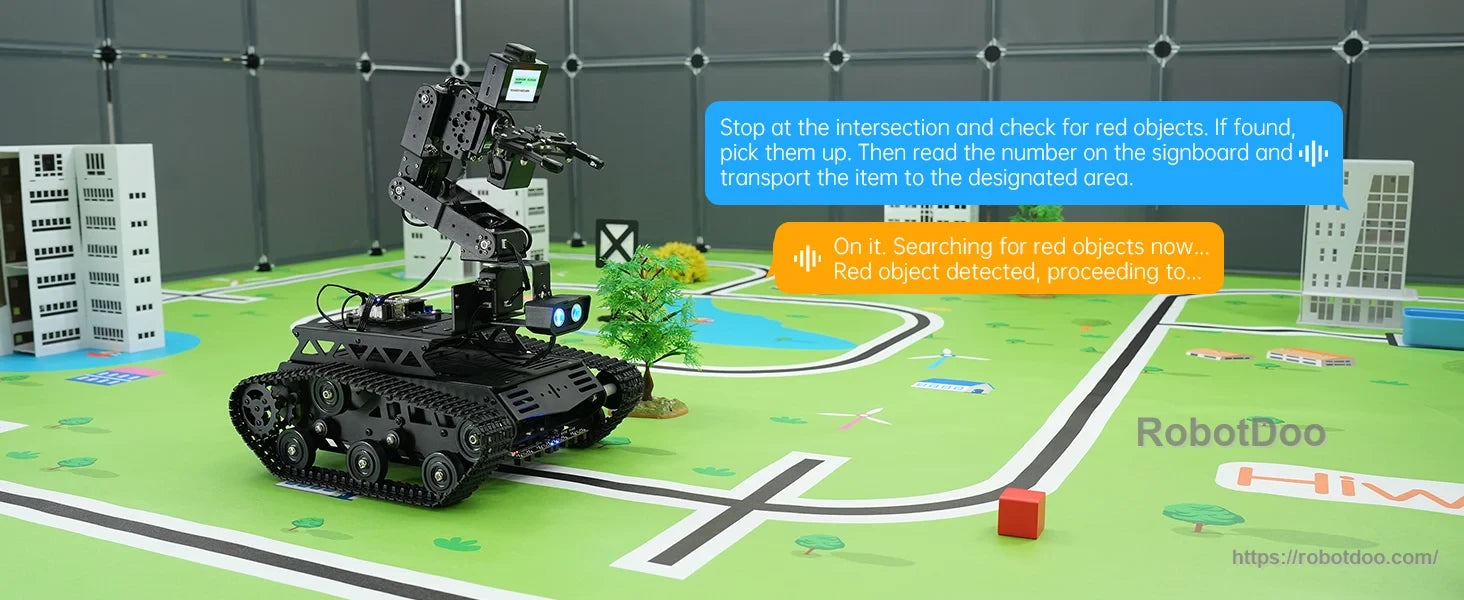
Tankbot’s tracked chassis, line-following route, and articulated gripper support object-sorting demonstrations.
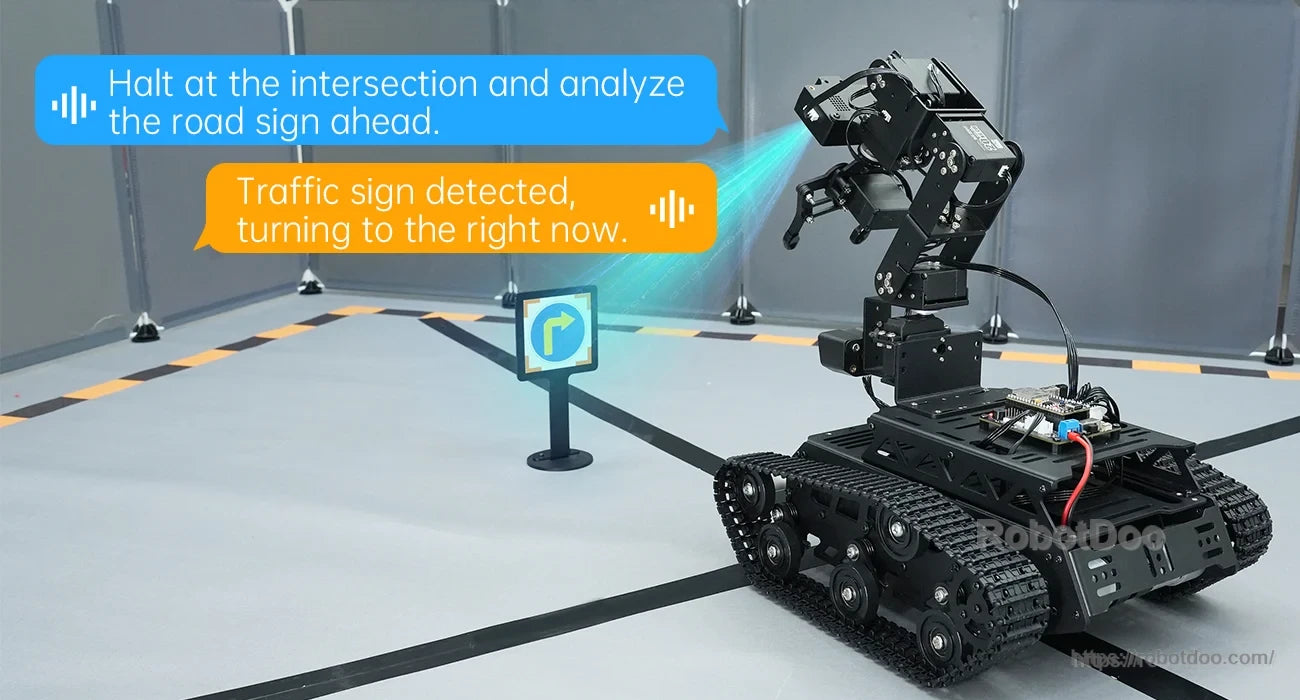
The ESP32-S3 AI tank robot combines tracked mobility with a robotic arm for interactive road-sign recognition activities.
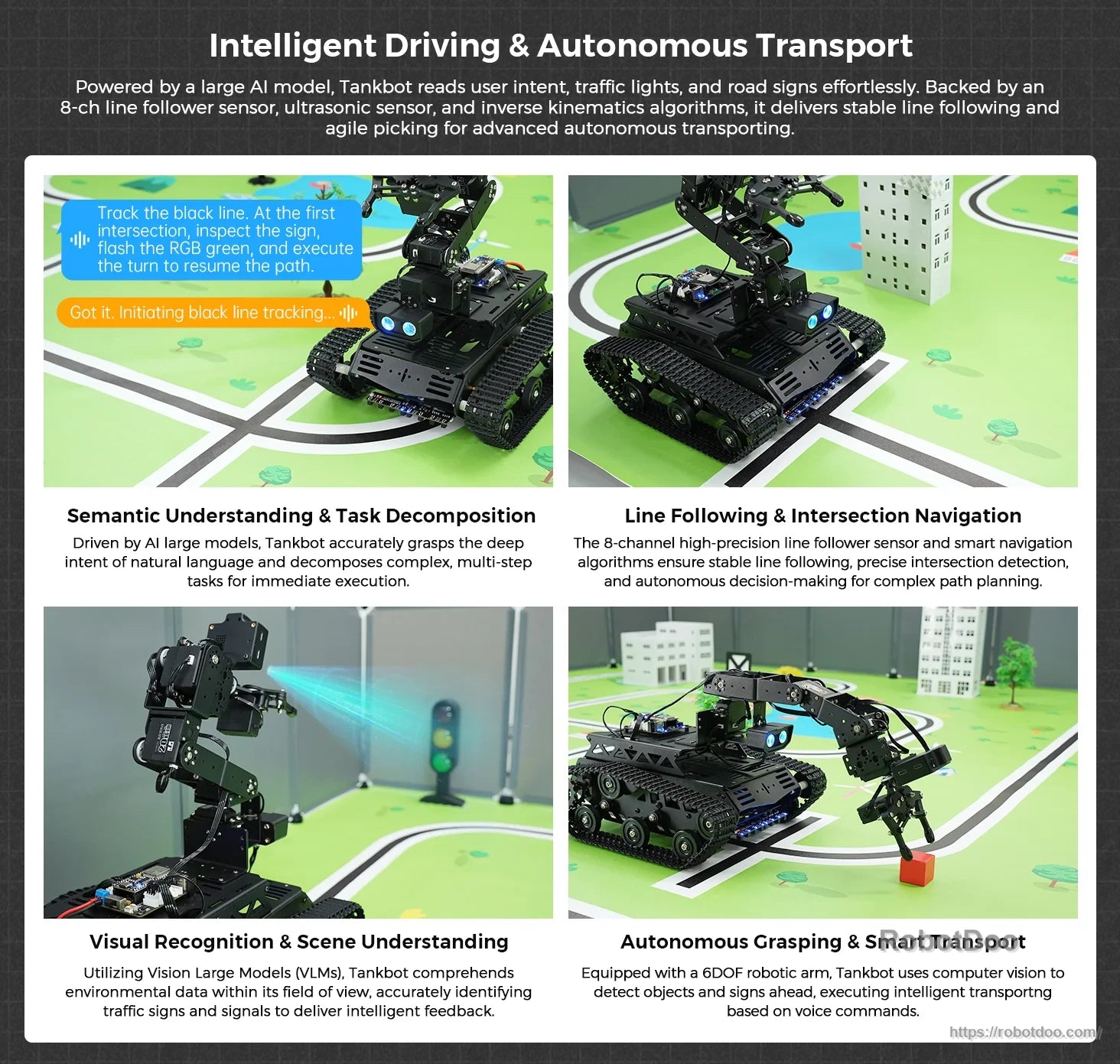
Tankbot combines line-following navigation, visual recognition, and a robotic arm for autonomous pickup tasks.
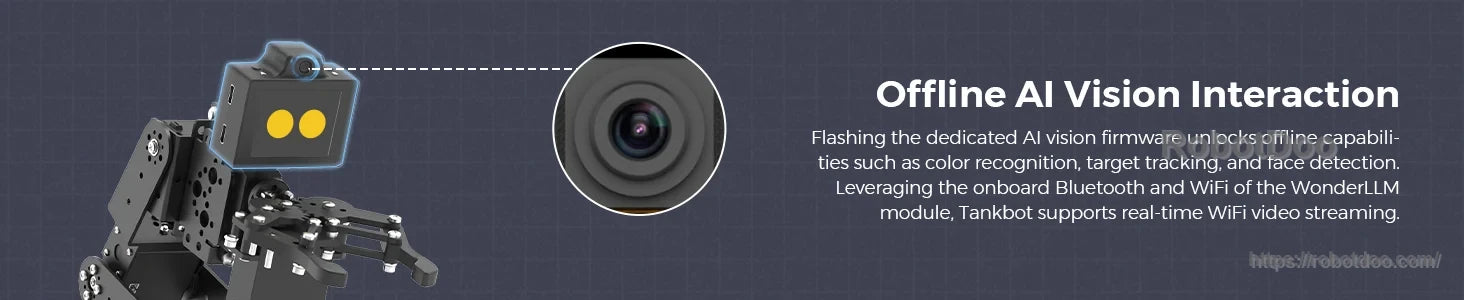
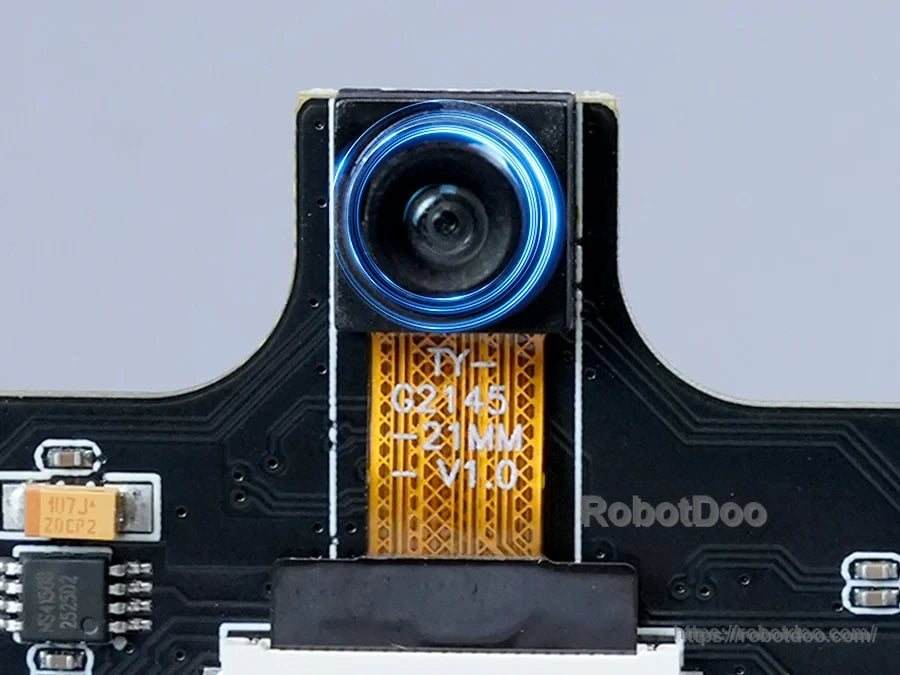
The ESP32-S3 Tankbot combines a tracked robot chassis with a front camera module for offline AI vision interaction.
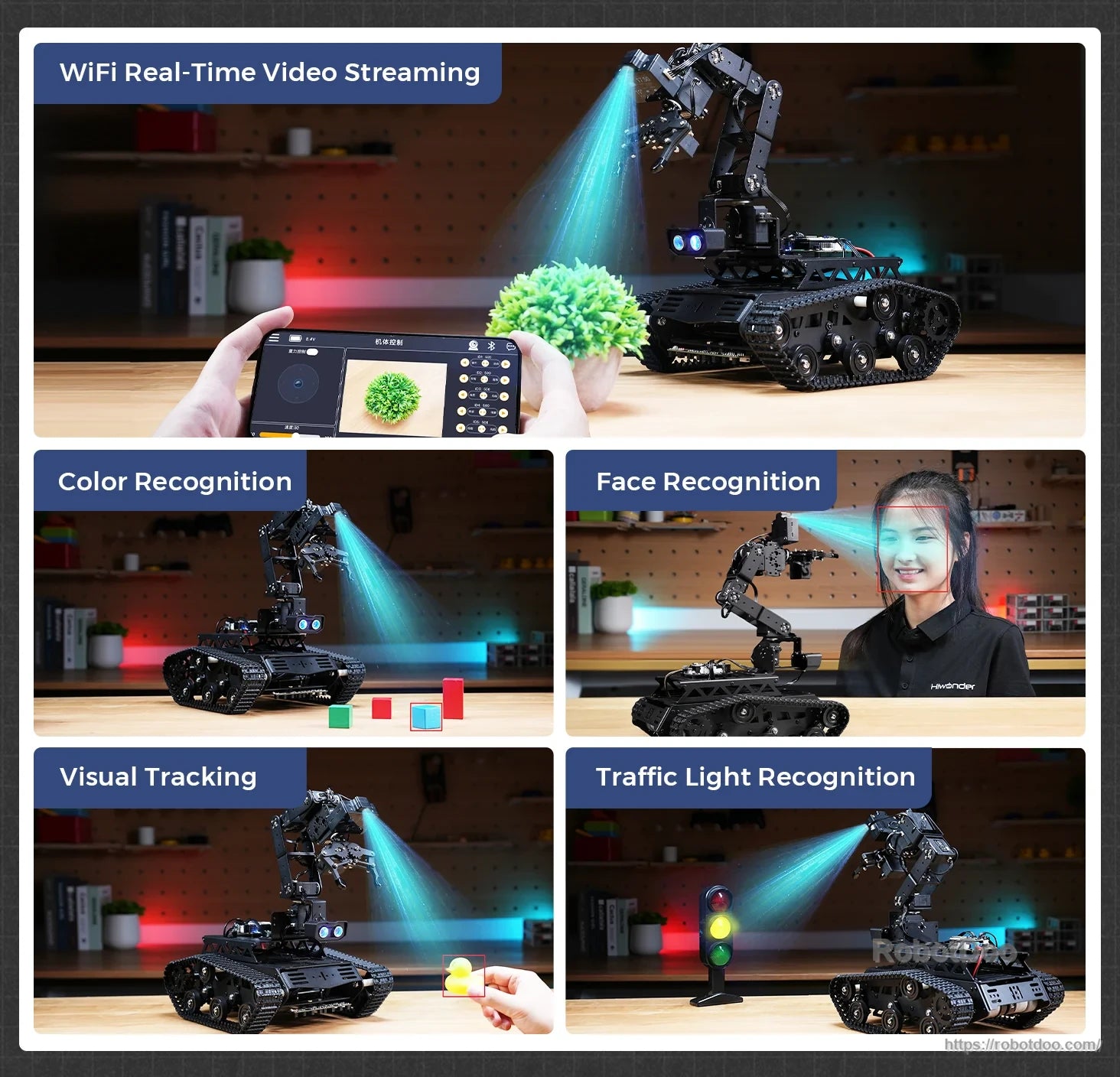
The ESP32-S3 tracked tank robot supports WiFi real-time video streaming, color and face recognition, visual tracking, and traffic light recognition.
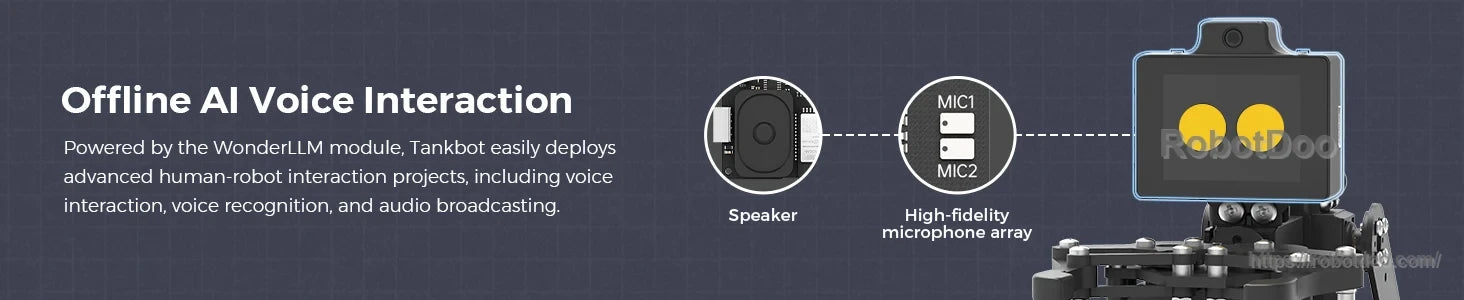
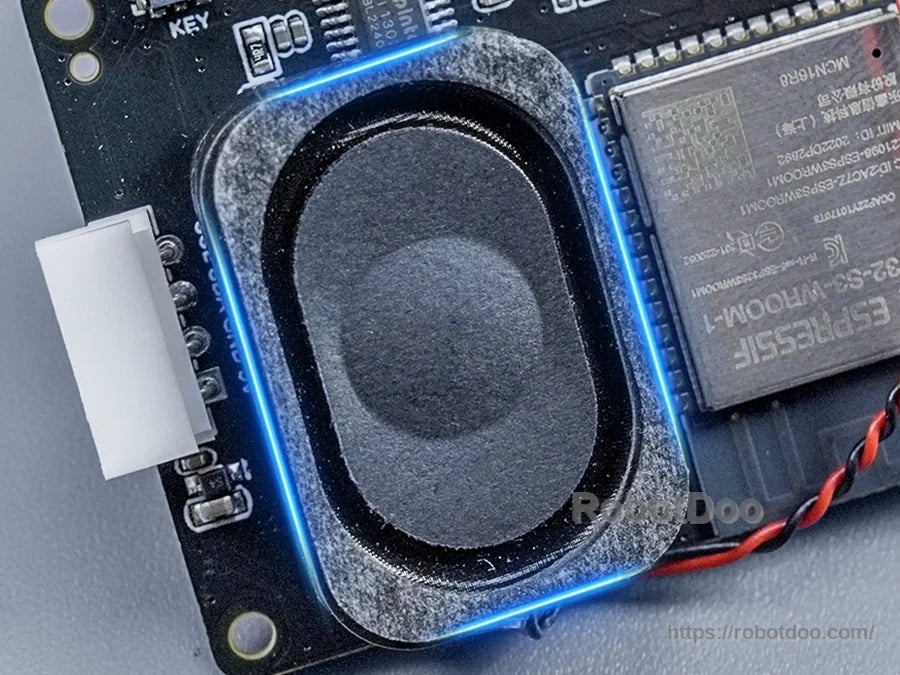
The Tankbot’s speaker and high-fidelity microphone array support offline AI voice interaction.
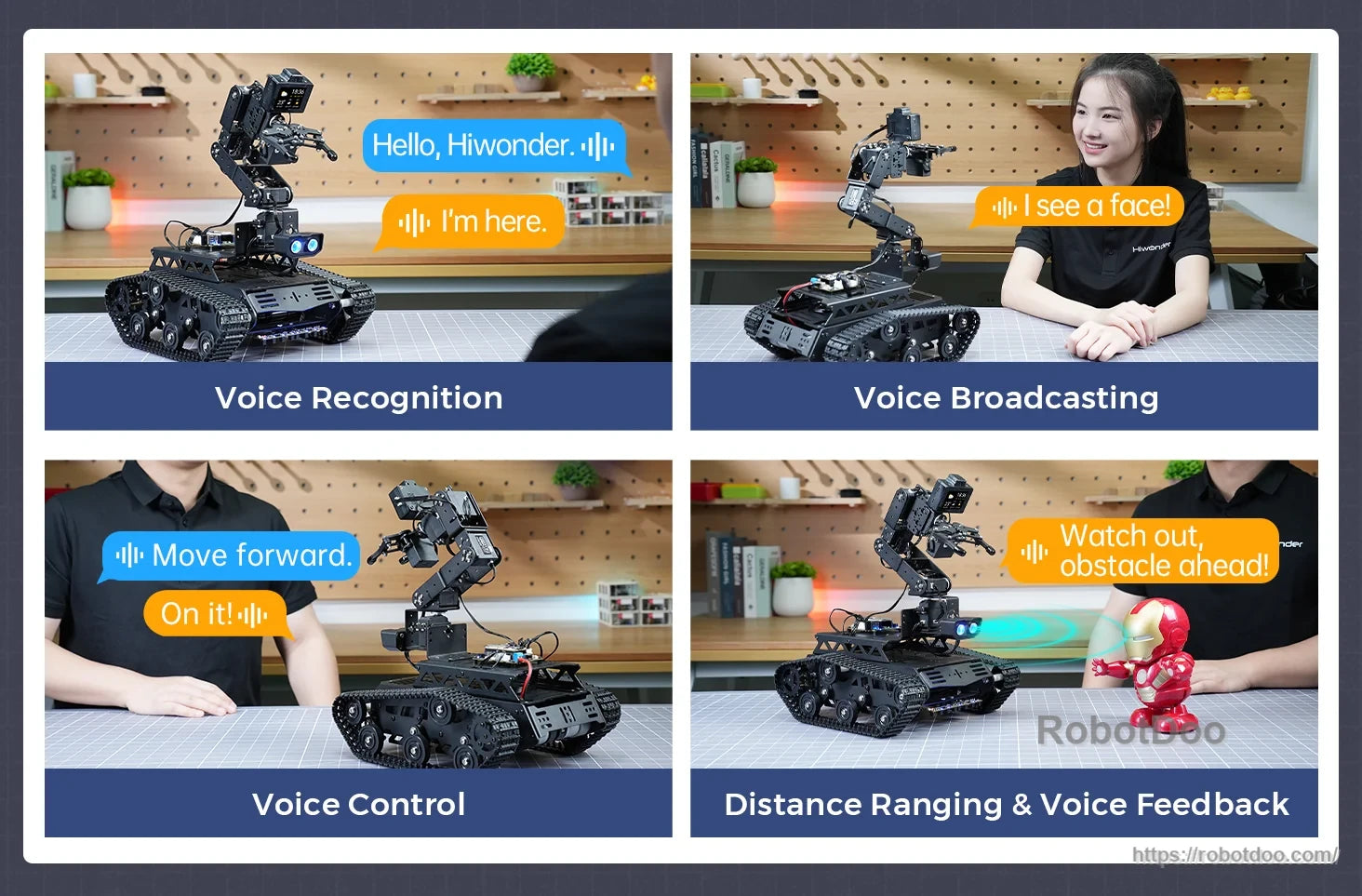
The tracked ESP32-S3 robot supports voice recognition, voice commands, voice broadcasting, and distance-ranging voice feedback.
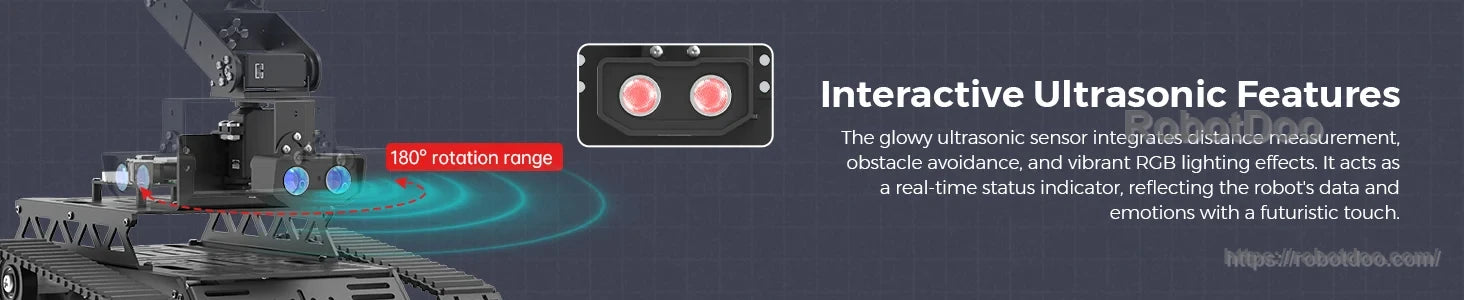
The ultrasonic sensor supports interactive obstacle detection with a 150° front detection range.
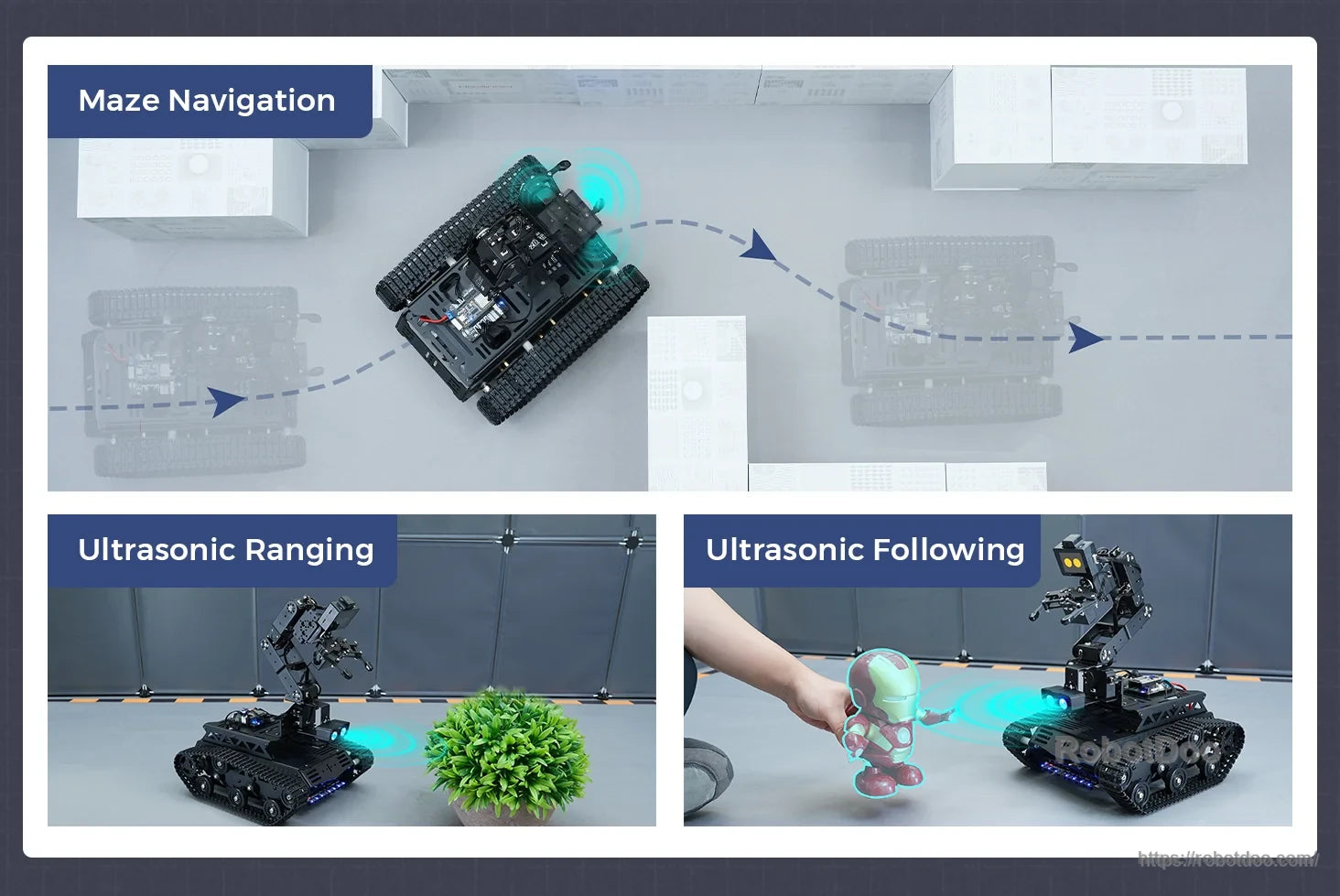
The ESP32-S3 tank robot supports maze navigation, ultrasonic ranging, and ultrasonic object-following functions.
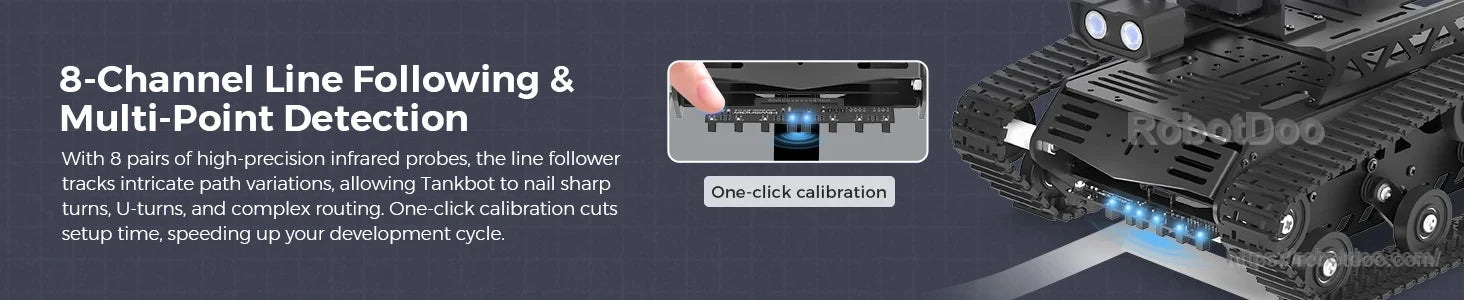
The Tankbot uses eight infrared sensors for line following and multi-point detection, with one-click calibration for setup.
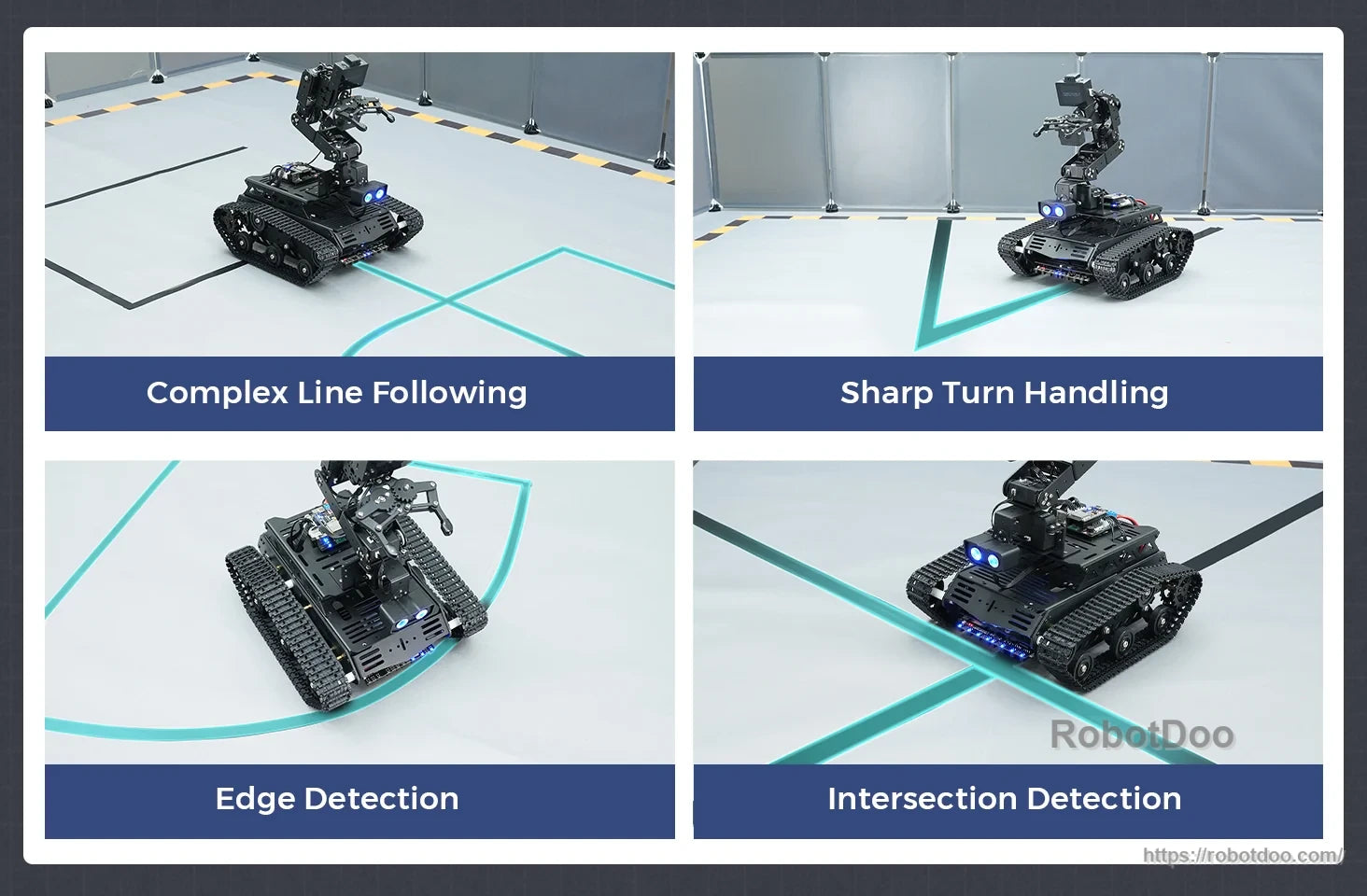
The ESP32-S3 tank robot supports complex line following, sharp turns, edge detection, and intersection detection.
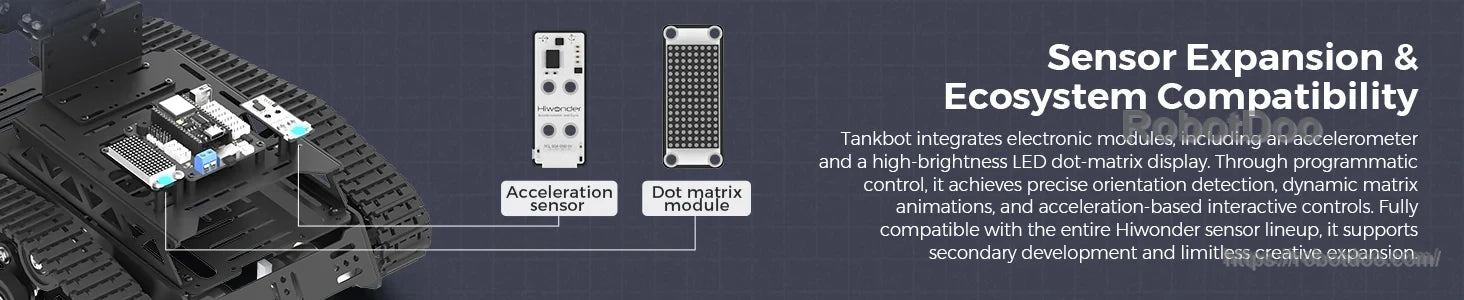
The Tankbot ESP32-S3 supports expansion with compatible modules such as an acceleration sensor and dot-matrix display.
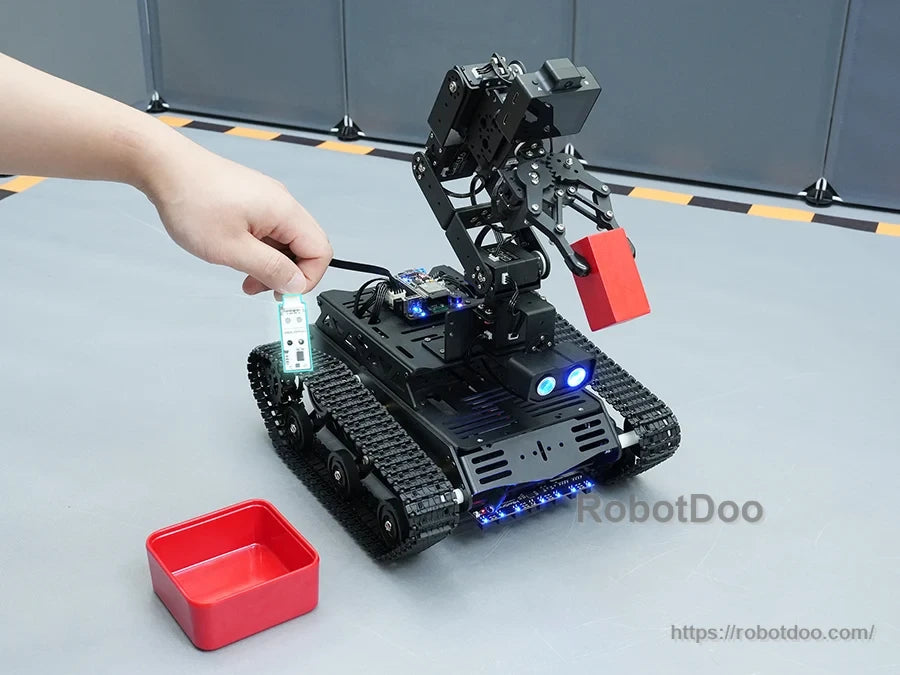
The tracked Tankbot chassis combines an articulated gripper arm with front lighting for hands-on robotic handling projects.
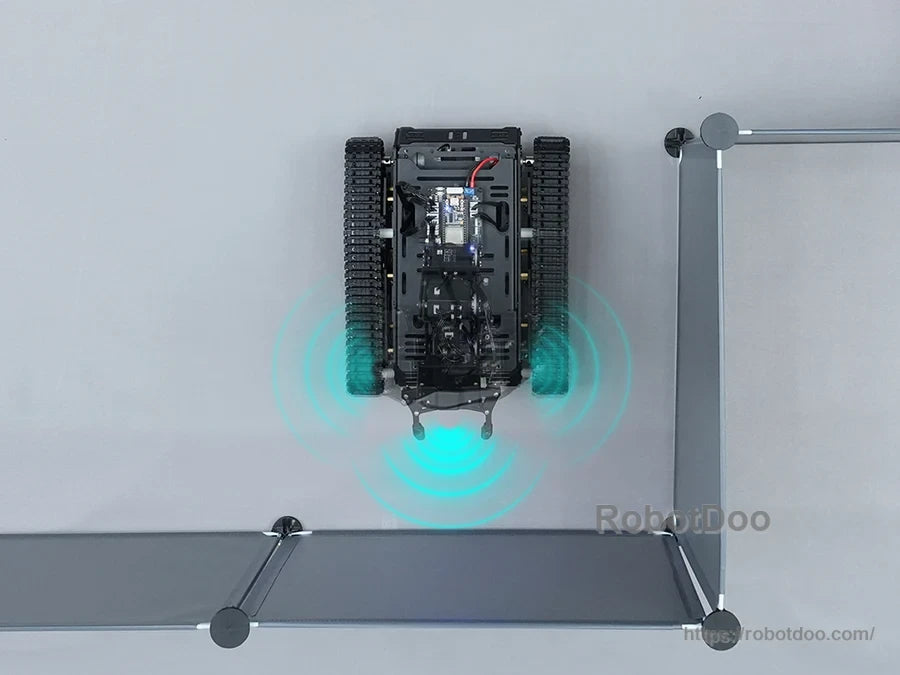
The tracked Tankbot chassis combines a compact onboard electronics layout with a front-facing sensing area for mobile robotics projects.
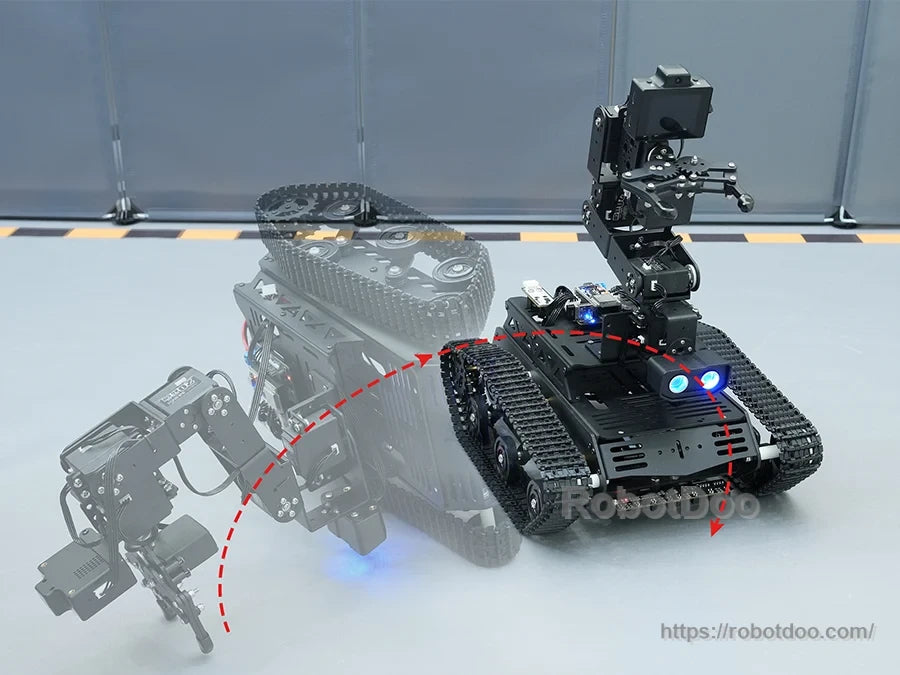
The Tankbot combines a tracked tank chassis with an articulated robotic arm and front-mounted LED lights.
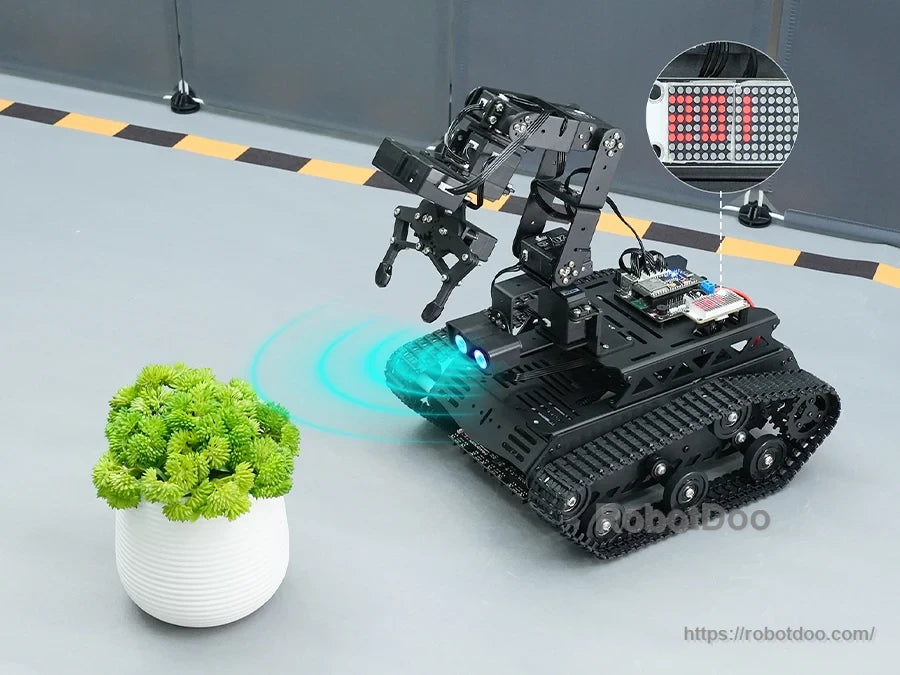
The tracked ESP32-S3 Tankbot combines an articulated gripper arm, front lights, and an LED matrix display for hands-on robotics projects.
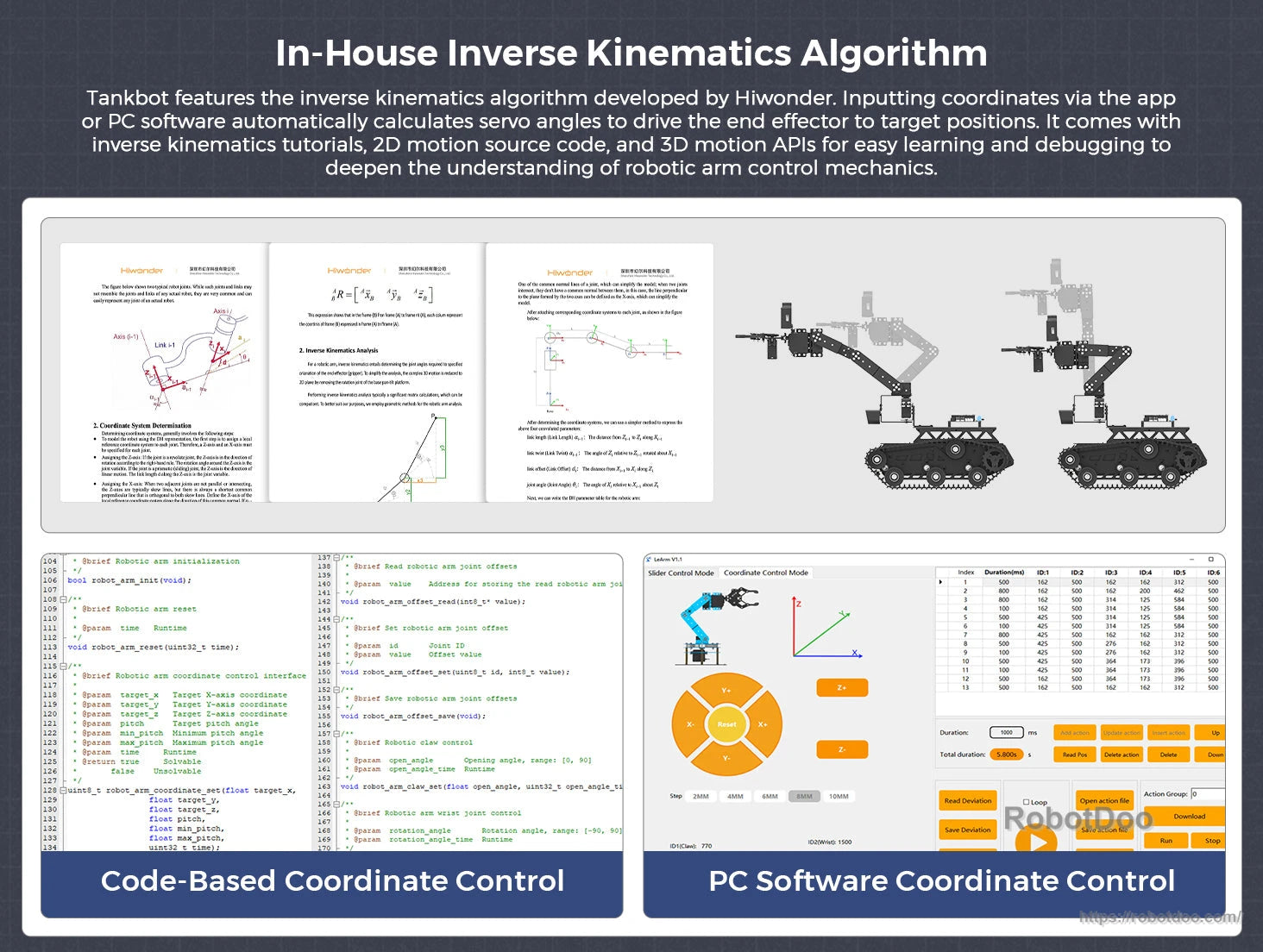
The in-house inverse kinematics algorithm supports coordinate control through code or PC software for robot arm positioning.
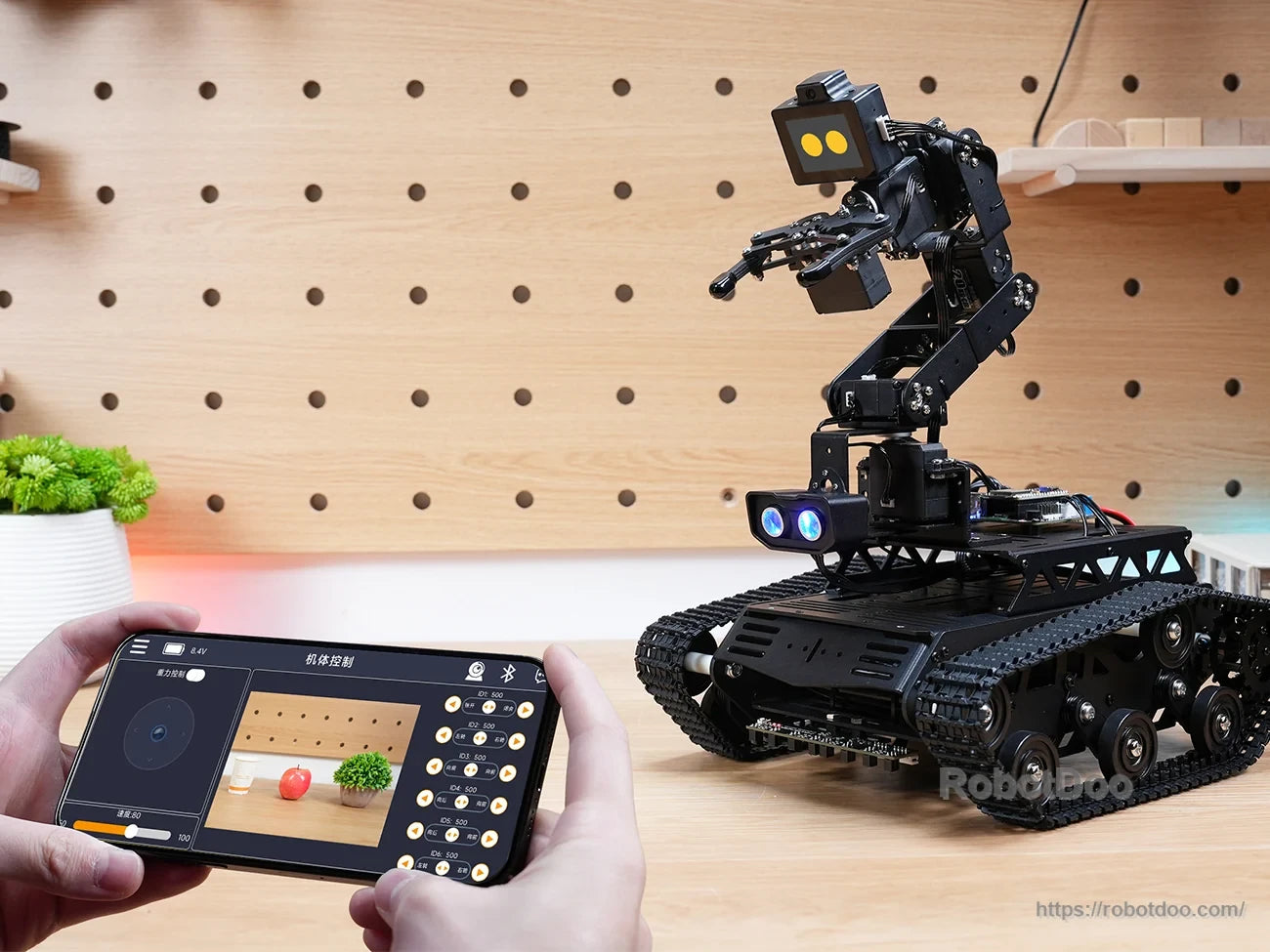
The Tankbot combines a tracked chassis, articulated robotic arm, LED eye module, and smartphone control interface for interactive robotics projects.
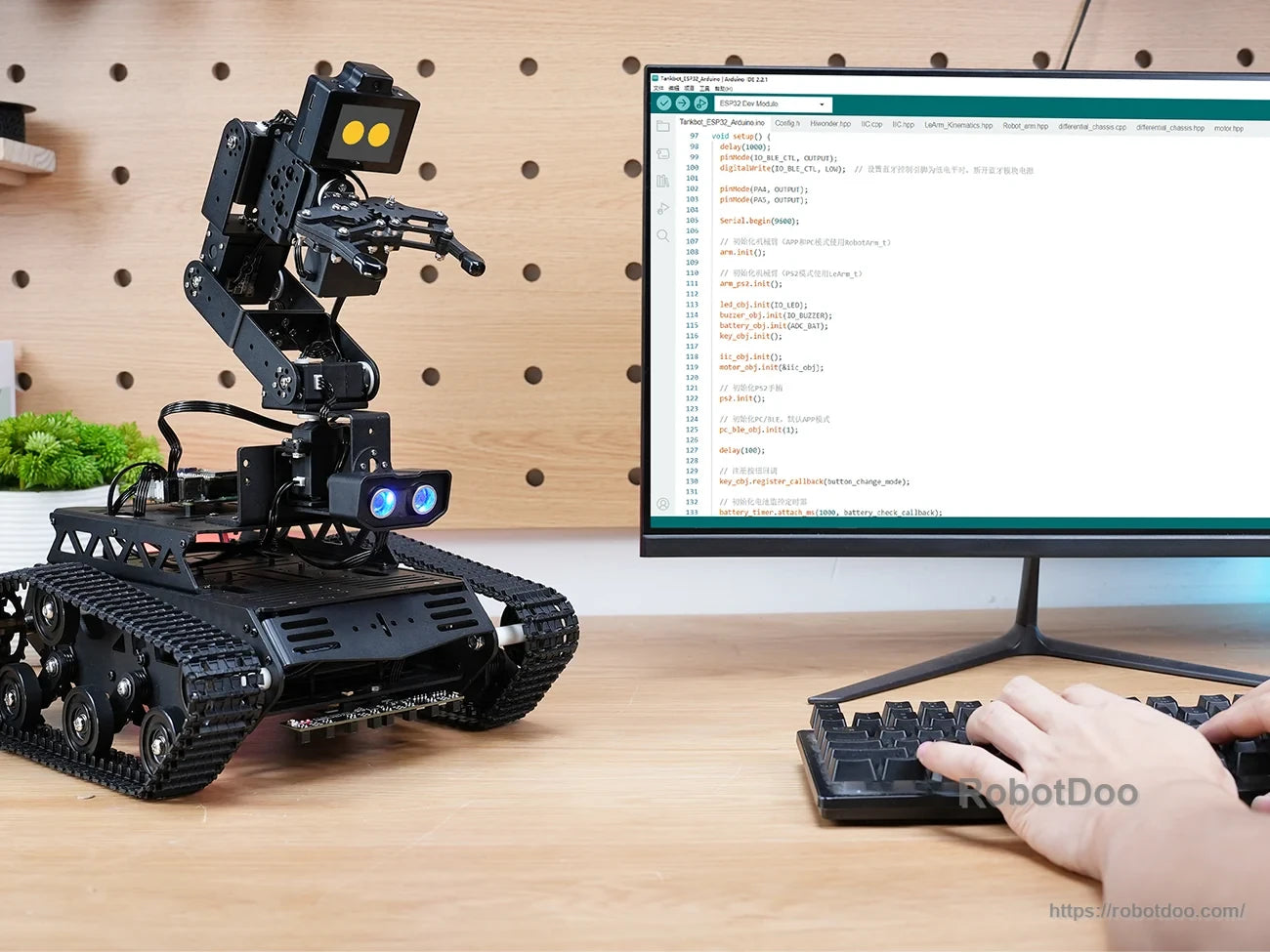
The tracked ESP32-S3 Tankbot pairs a robotic arm and front camera module with code-based programming for hands-on robotics projects.
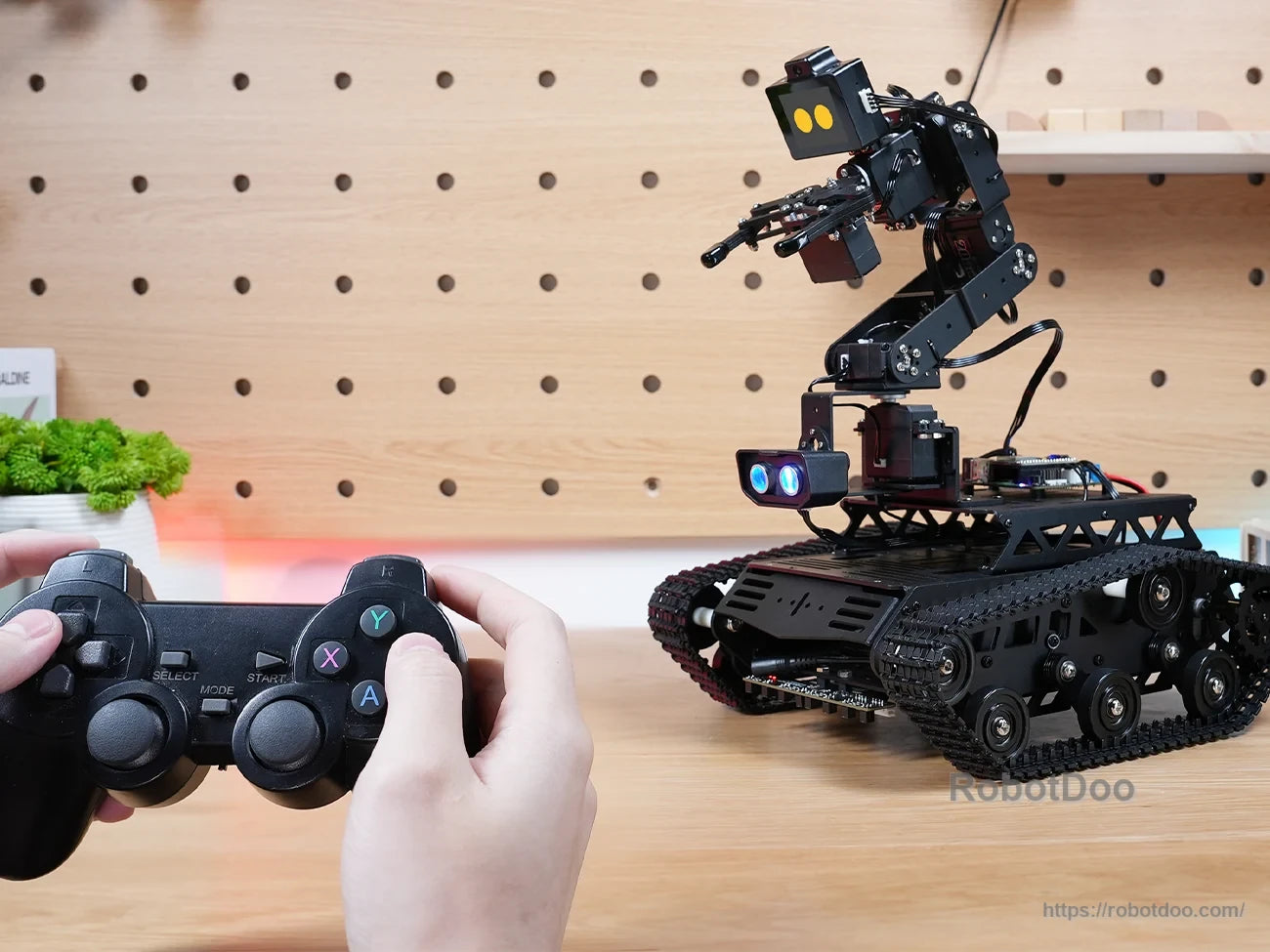
The tracked Tankbot combines a camera-equipped chassis and articulated robotic arm with handheld controller operation.
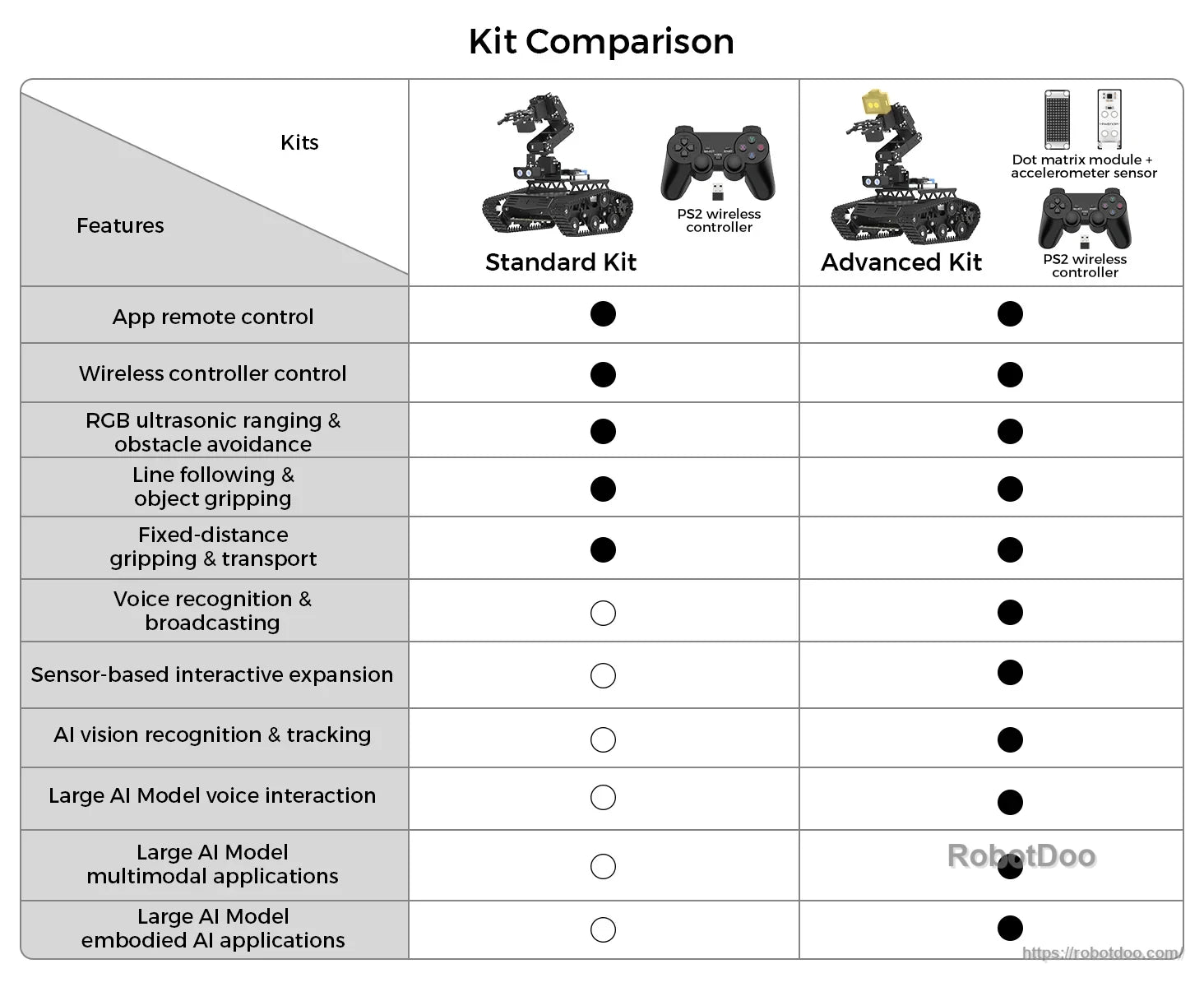
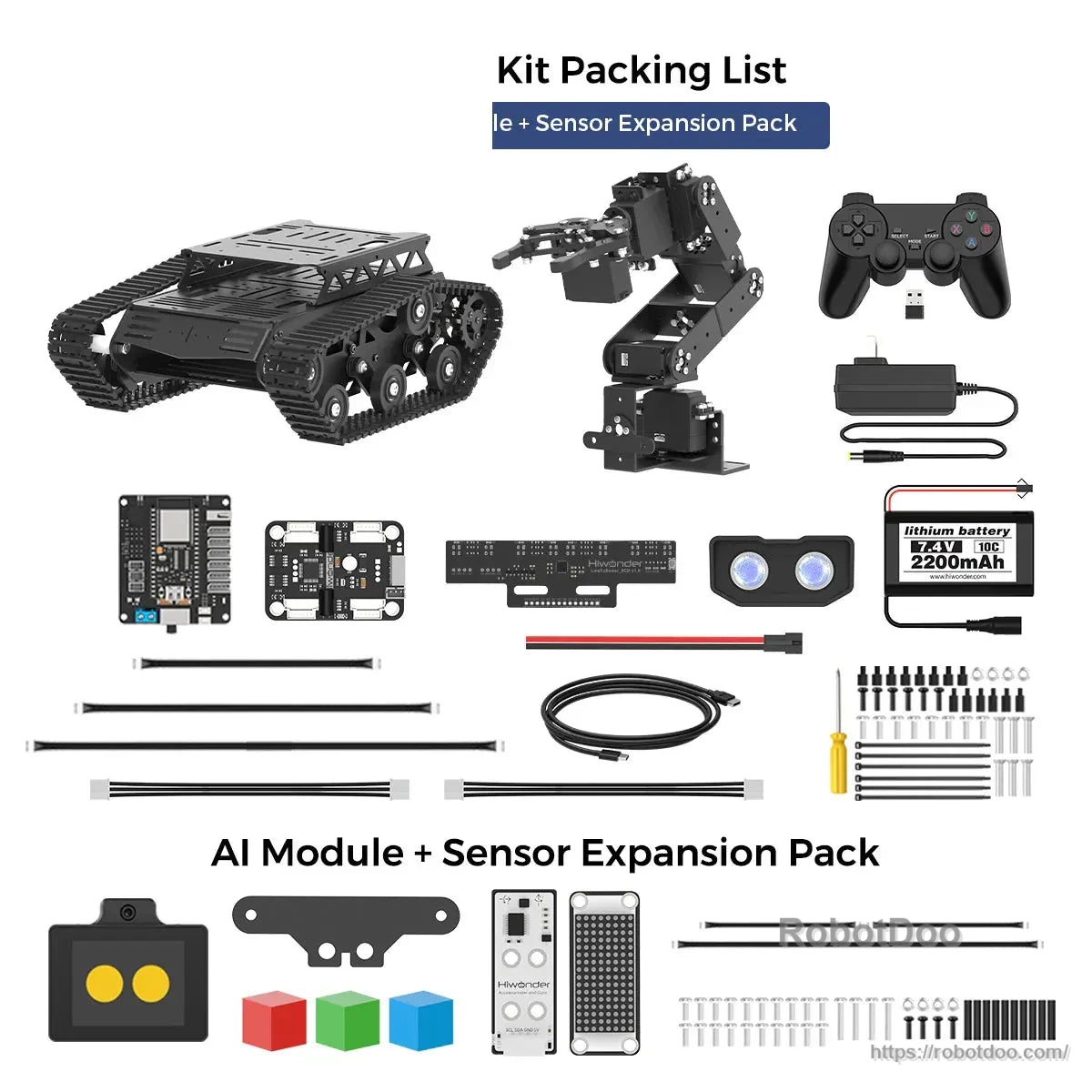
The Advanced Kit adds line following, voice recognition, sensor expansion, AI vision tracking, and large AI model applications.
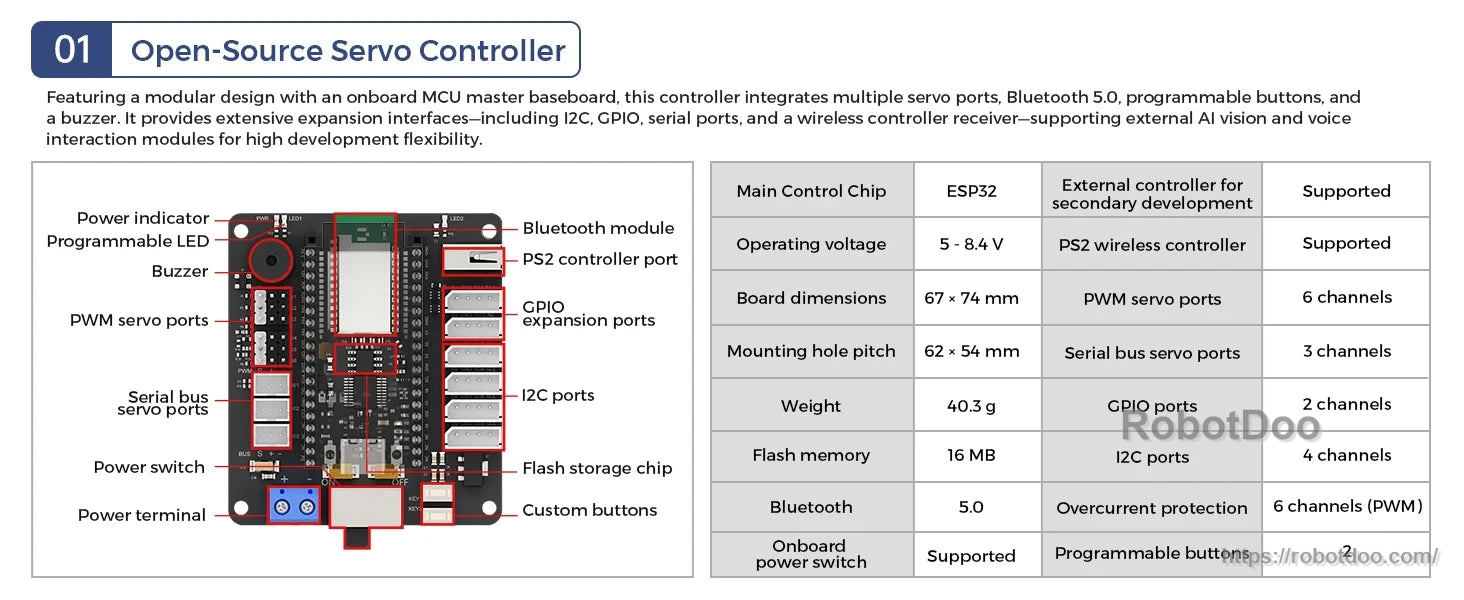
The ESP32-S3 controller supports 5–8.4V input, 16 PWM servo ports, Bluetooth 5.0, and onboard ports for sensors and wireless modules.
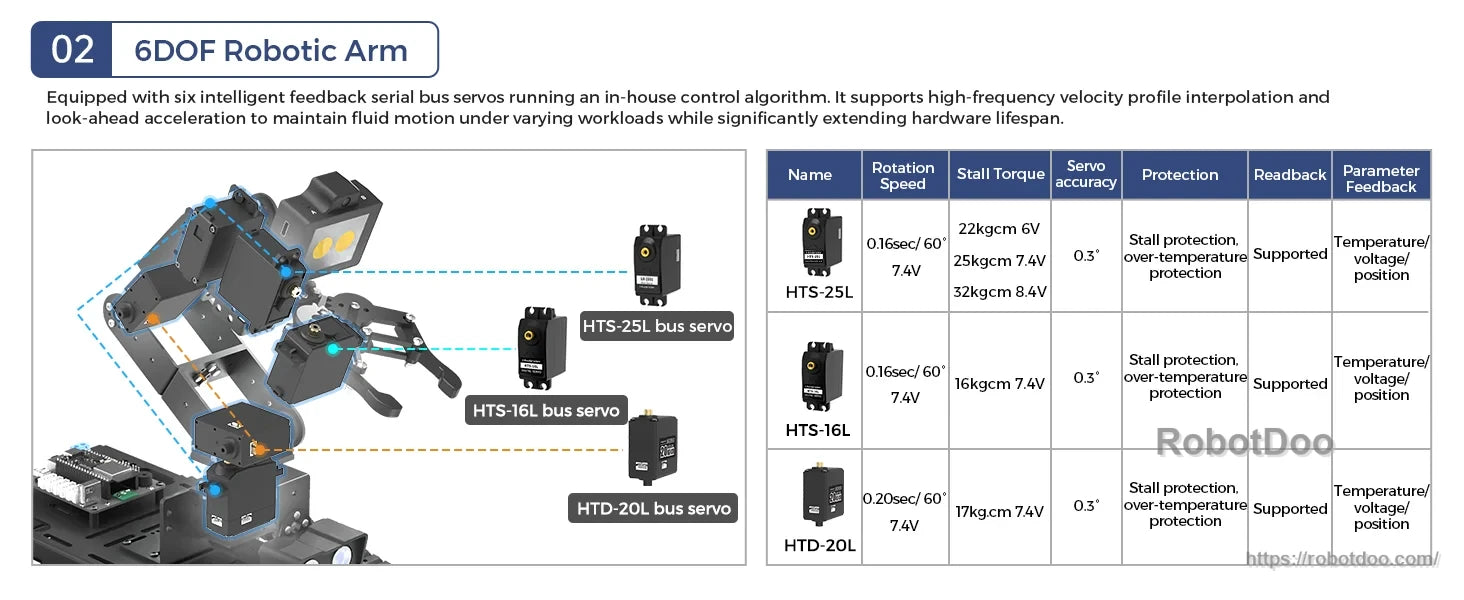
The 6DOF robotic arm combines HTS-35L, HTS-16L, and HTD-20L serial bus servos across the joint positions.
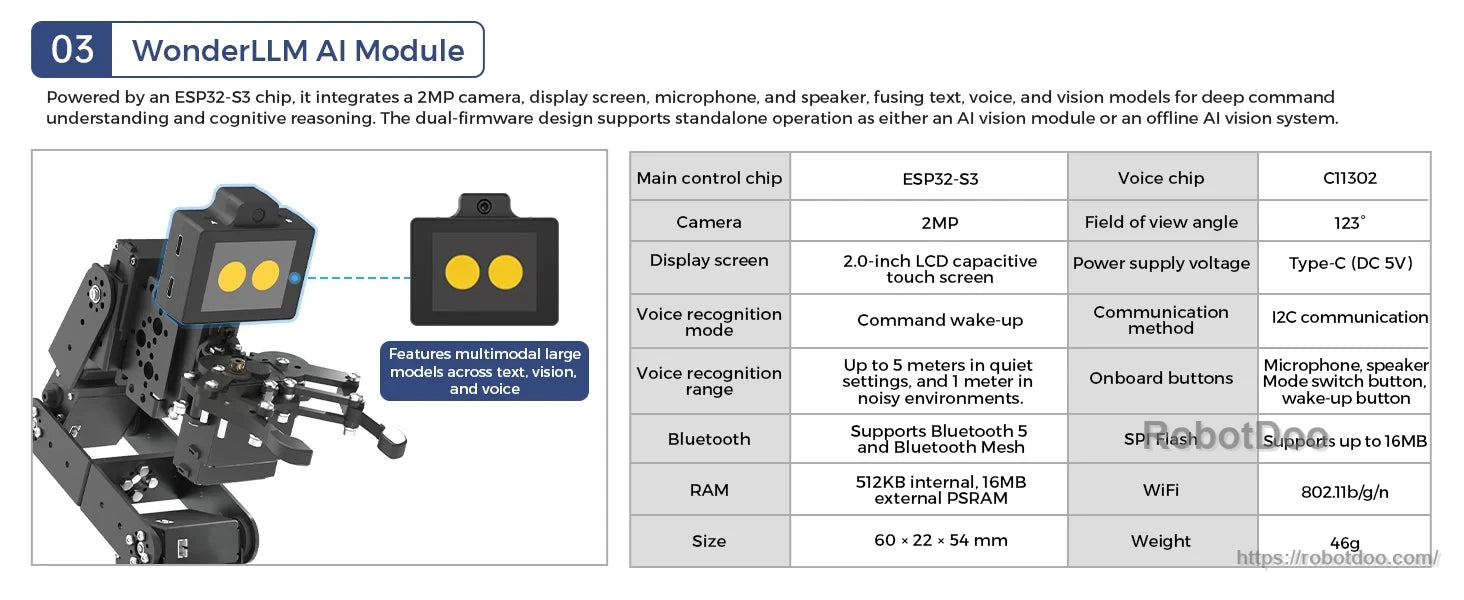
The WonderLLM AI module combines an ESP32-S3 controller with a 2MP camera, 2-inch LCD touchscreen, microphone, and speaker for interactive Tankbot projects.
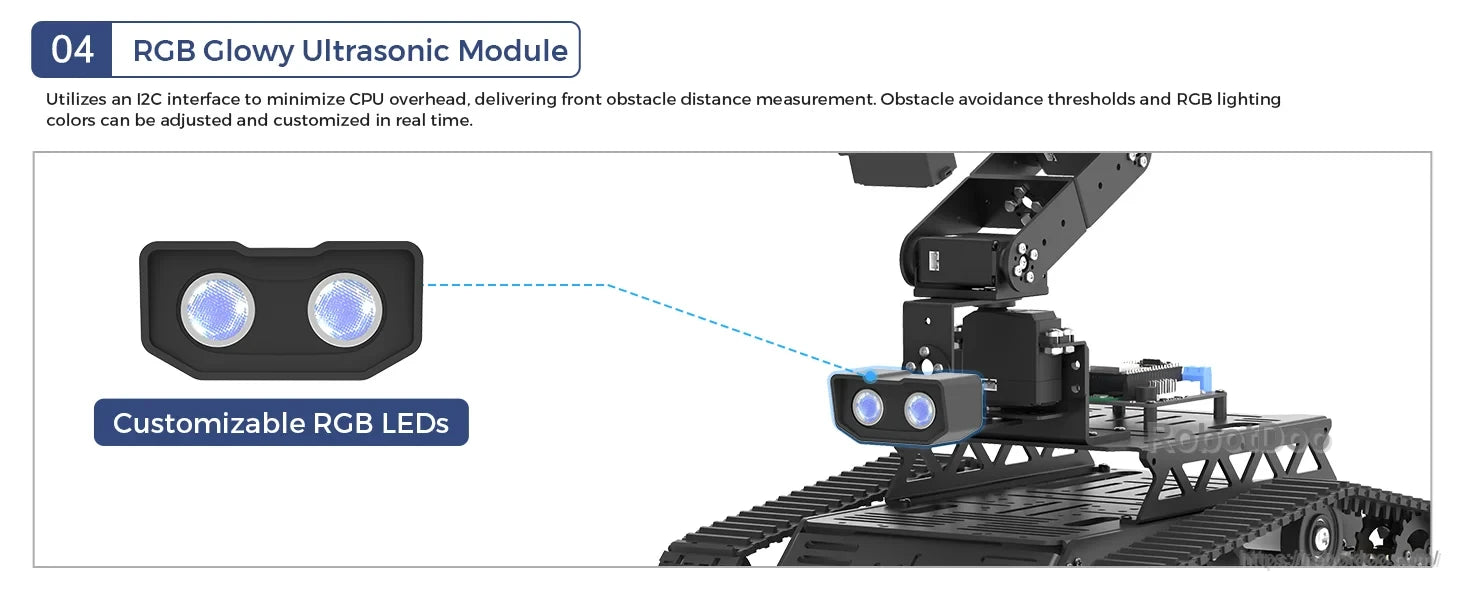
The RGB ultrasonic module provides front obstacle distance measurement with adjustable avoidance thresholds and lighting colors.

The ultrasonic distance sensor supports 2–400 cm measurement with a 15° detection angle and TTL pulse-width echo output.
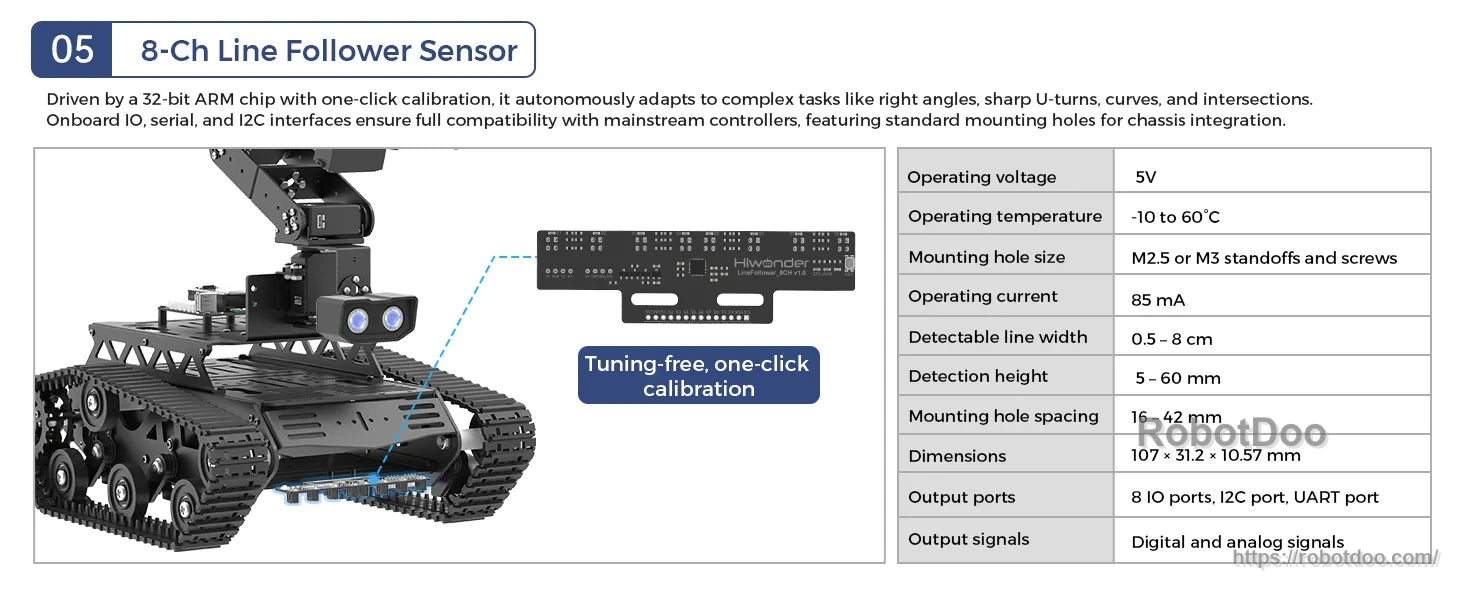
The 8-channel line follower sensor supports tuning-free calibration for streamlined line-tracking setup on the Tankbot.
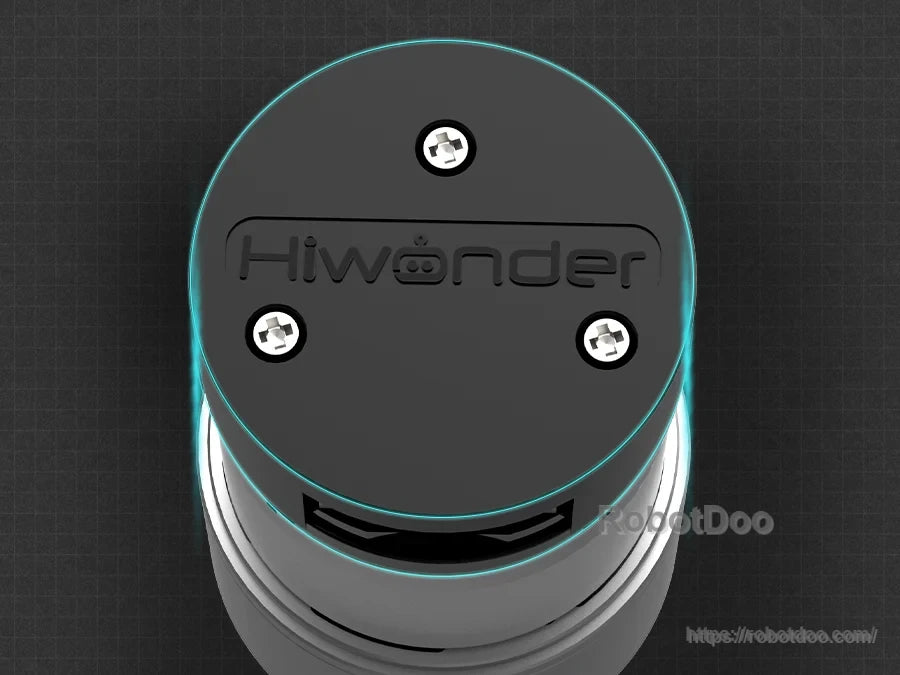
The Hiwonder Tankbot uses a compact round top housing with three accessible mounting screws and a front opening.
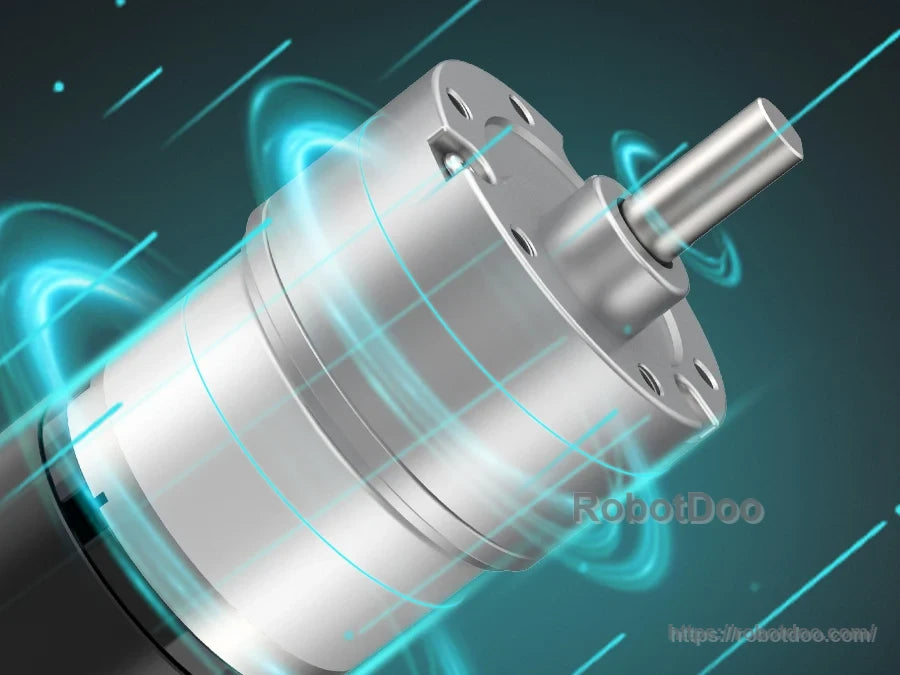
The metal gearmotor combines a cylindrical gearbox, mounting flange, and output shaft for tank robot drive assembly.
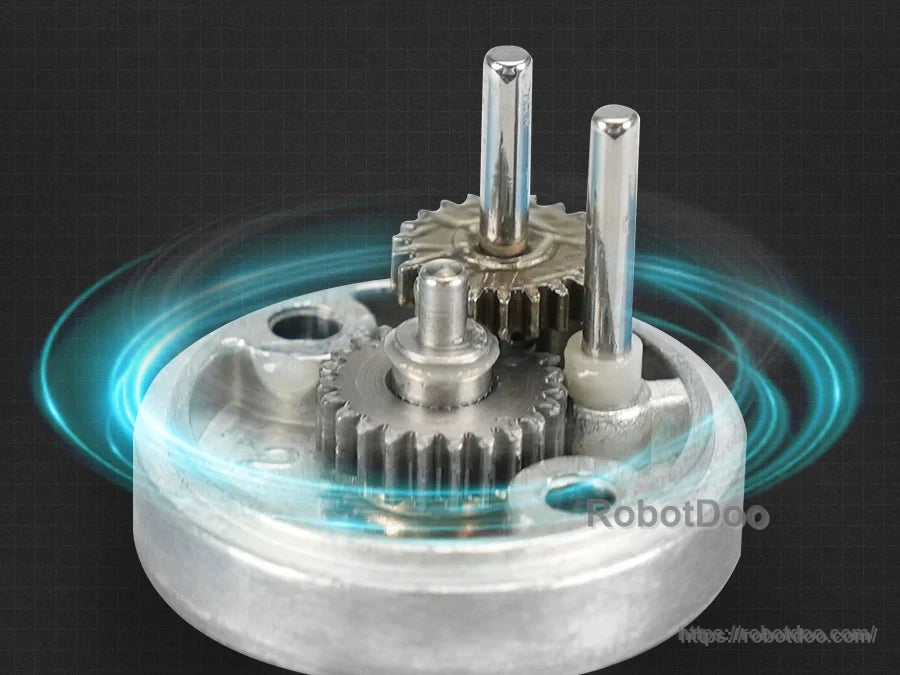
The metal reduction gear assembly uses multiple steel gears and output shafts to support the tank robot drivetrain.
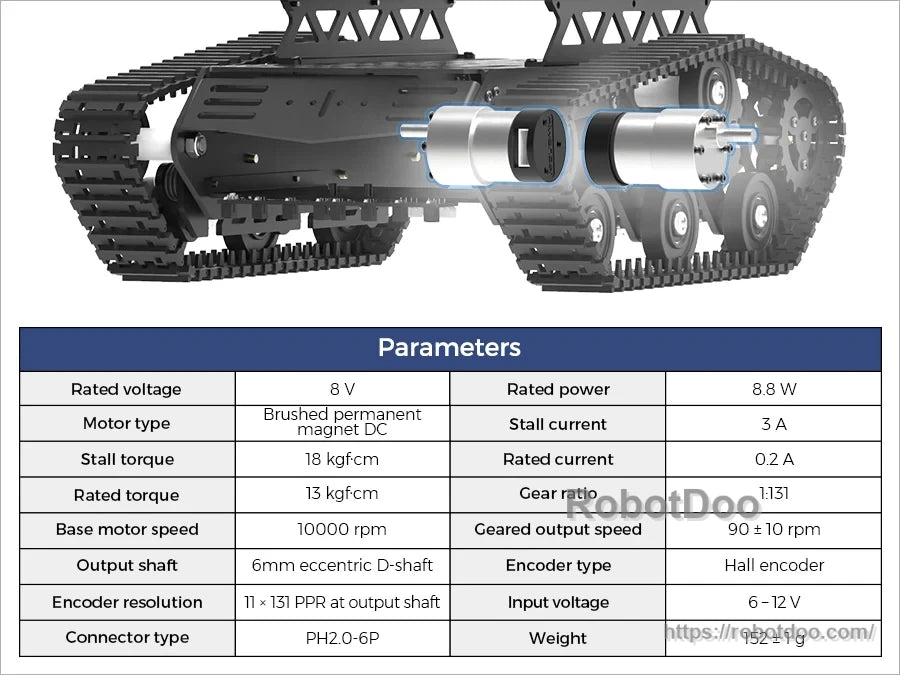
The tracked drivetrain uses dual brushed permanent-magnet motors with Hall encoders and 6 mm eccentric D-shafts.
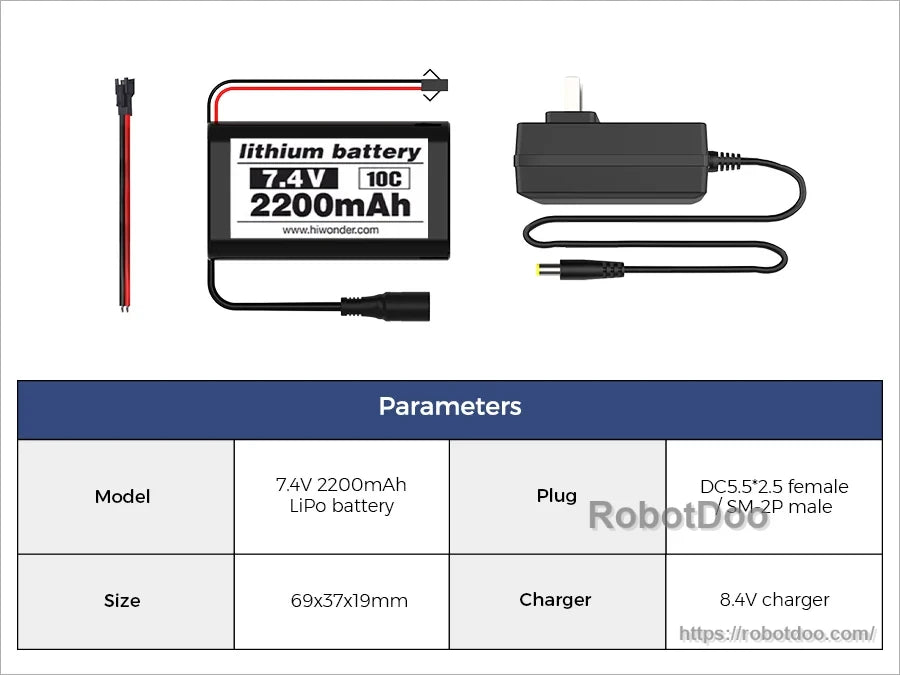
The 7.4V 2200mAh LiPo battery includes an 8.4V charger and a DC 5.5×2.5mm female plug for power setup.
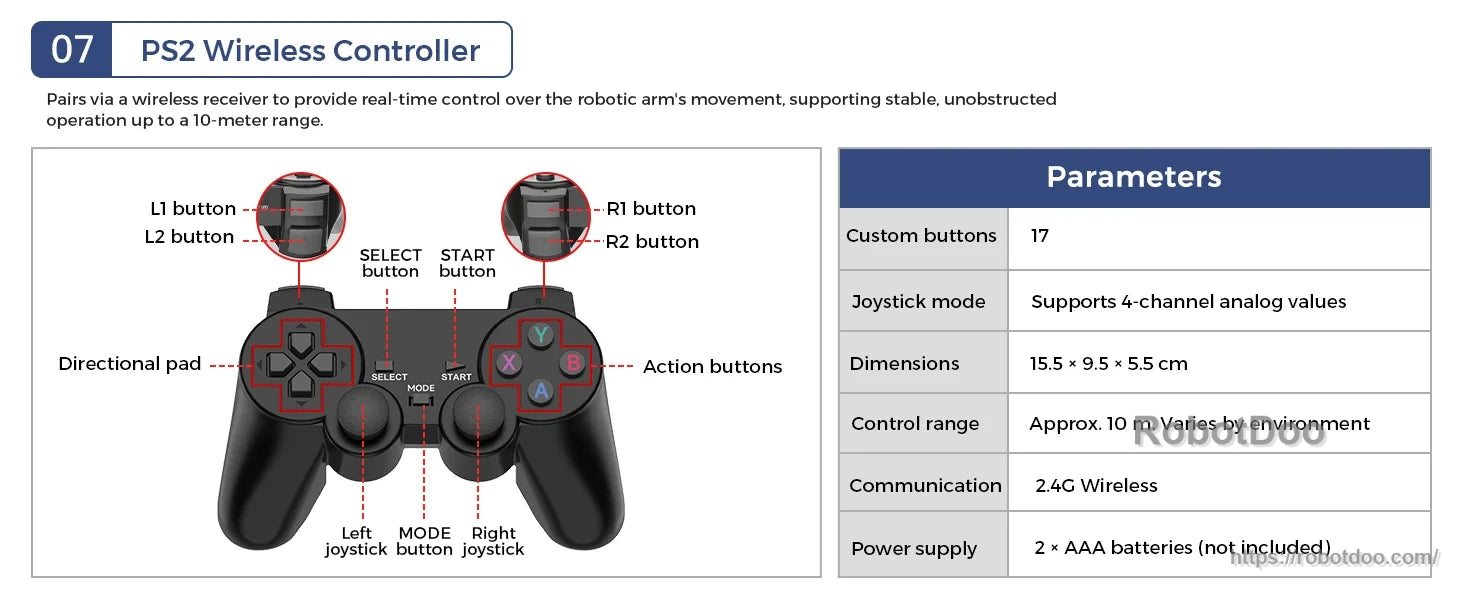
The PS2-style 2.4G wireless controller provides dual analog sticks, a directional pad, action buttons, and shoulder controls for tank robot operation.
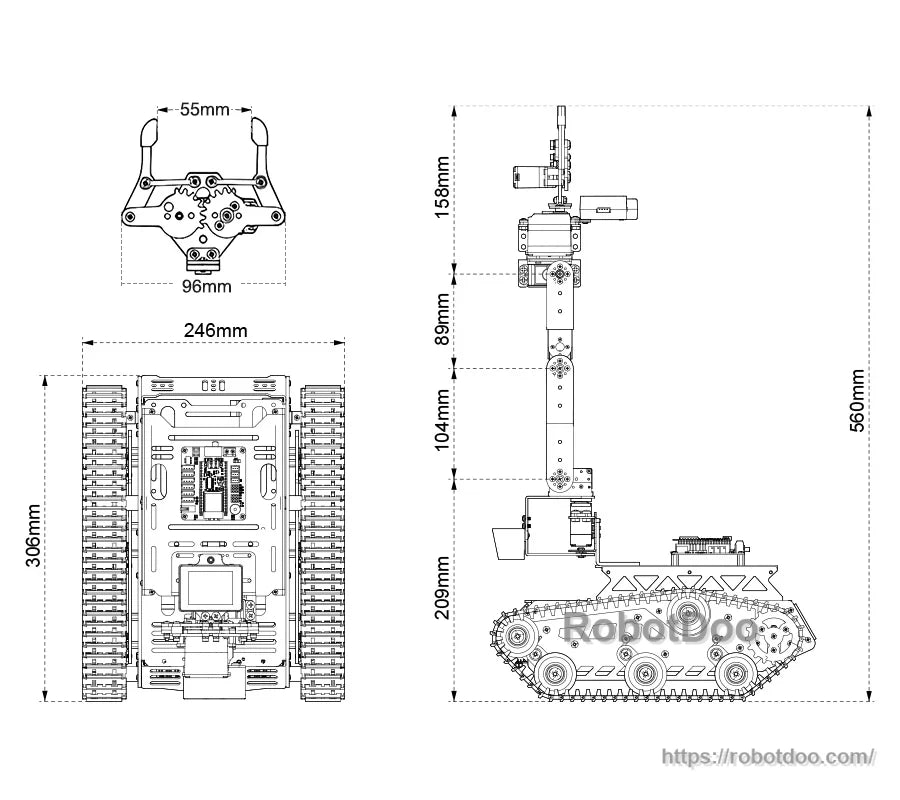
The tracked Tankbot platform measures 246 mm long by 386 mm wide, with an articulated upper assembly reaching 560 mm in height.
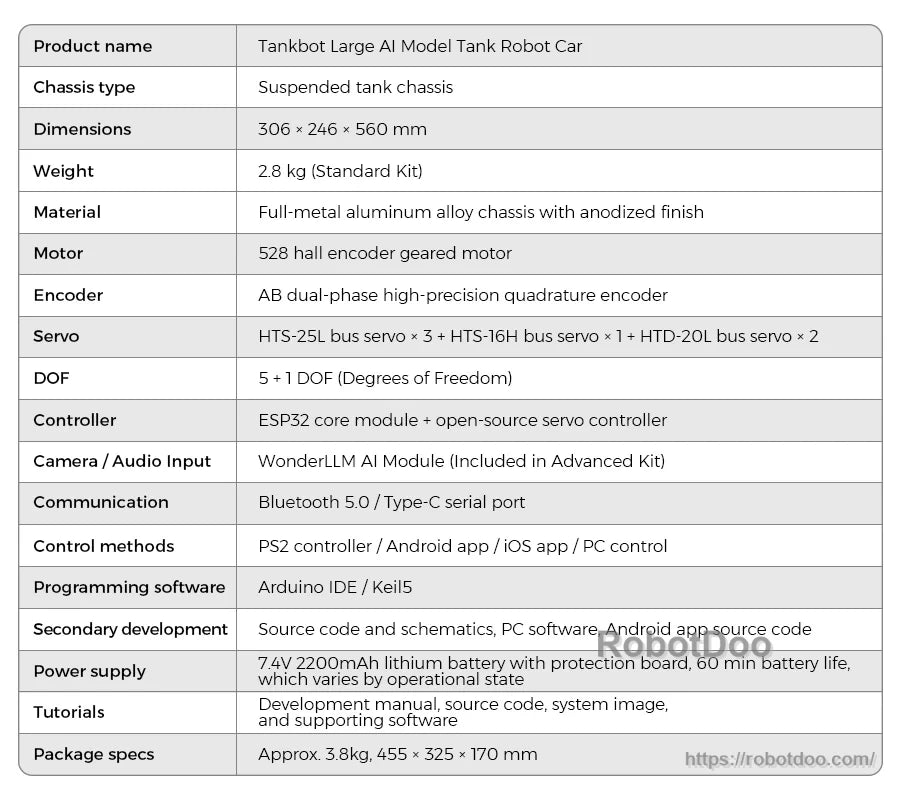
The Tankbot uses a suspended tank chassis, 528 hall encoder geared motor, bus servos, and ESP32 core control.
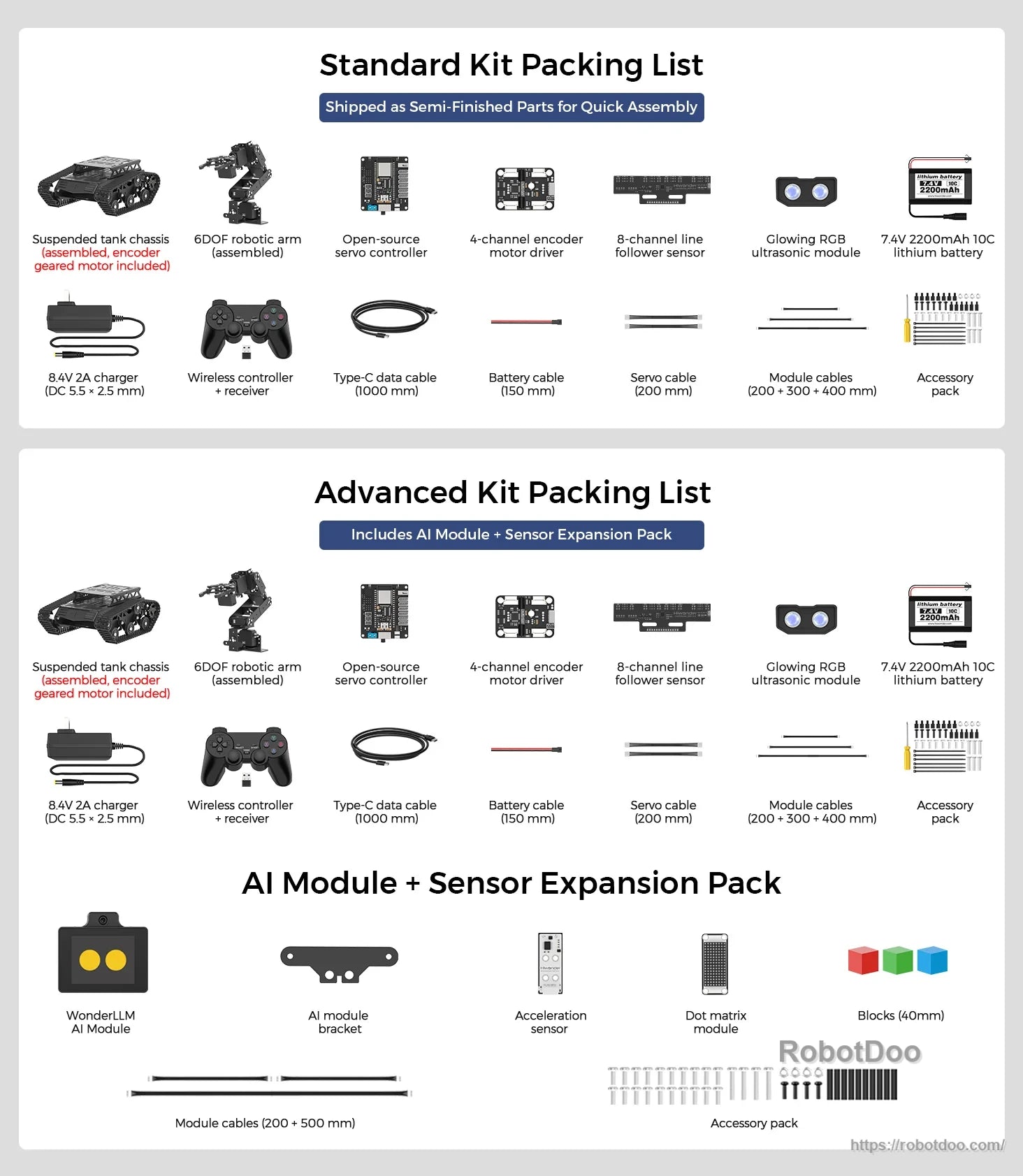
The Advanced Kit adds an AI module and sensor expansion pack alongside the tank chassis, robotic arm, controller boards, gamepad, cables, and assembly hardware.